August 10, 2026
Evaluating project parameters is a crucial first step when planning a structural overhaul for your home. Homeowners should outline specific needs, financial boundaries, and aesthetic goals before work begins. Communicating your preferences clearly ensures the project aligns with long-term expectations. Sourcing materials through a reputable roofing company guarantees high-grade manufacturing standards and expert installation guidance. Detailed preliminary discussions eliminate misunderstandings, establishing a clear blueprint for the entire project.
Evaluating Surface Conditions
Assessing Roof Integrity
Conducting a comprehensive physical evaluation allows technicians to identify hidden deck decay, broken shingles, and structural weak points. Inspectors evaluate both interior attic spaces and external roof planes to map out necessary repairs. Understanding your home's structural state ensures contractors tailor their restoration plans effectively. Thorough evaluations eliminate costly surprises once installation commences.
Reviewing Cost Quotations
Formulating a transparent cost estimate provides complete financial clarity for materials, labor, and municipal permits. Reviewing line items carefully ensures the proposed scope of work matches your initial agreement. Open discussions regarding pricing foster trust and eliminate hidden fees before work begins. Clear financial documentation protects both the homeowner and contractor throughout the project.
Selecting Premium Materials
Choosing appropriate materials impacts both the visual appeal and long-term durability of your home. Options range from traditional asphalt shingles to modern standing-seam metal panels. Homeowners must evaluate local climate patterns, architectural style, and warranty terms during selection. High-grade materials sourced from an established roofing company ensure lasting weather resistance and structural longevity.
Establishing Clear Schedules
Setting a structured timeline outlines key milestones, including material delivery, tear-off stages, and final inspections. While unforeseen weather delays can occur, a well-planned schedule keeps daily progress on track. Clear scheduling allows homeowners to adjust their routines, minimizing domestic disruptions during construction.
Preparing Property Grounds
Securing Work Permits
Filing necessary permit applications ensures your home improvement project complies with local building codes. Contractors handle complex municipal paperwork, protecting property owners from regulatory fines. Verifying legal compliance before construction begins guarantees a smooth, uninterrupted project start.
Protecting Exterior Grounds
Shielding landscaping, exterior walls, and patio spaces prevents property damage during heavy construction. Crews utilize heavy-duty tarps and plywood barriers to catch falling debris. Discussing site protection plans with your roofing company ensures your lawn and gardens remain unharmed throughout the process.
Maintaining Clear Communication
Establishing open lines of communication ensures property owners receive consistent updates throughout construction. Expressing daily expectations and project preferences eliminates misunderstandings between both parties. Proactive dialogue builds mutual trust and allows crews to resolve minor issues instantly.
Managing Site Logistics
Coordinating material placement, dumpster locations, and crew parking prevents neighborhood congestion. Proper logistical planning keeps equipment accessible while ensuring smooth daily workflow. Efficient site organization prevents costly installation delays.
Monitoring Weather Patterns
Tracking regional weather forecasts helps contractors schedule heavy tear-off tasks during clear conditions. Building schedule flexibility accommodates sudden rainstorms without exposing interior spaces to water damage. Professional planning protects exposed roof decks during unexpected atmospheric shifts.
Executing Roof Tear-off
Implementing Safety Protocols
Enforcing strict safety guidelines protects both installation crews and household residents. Technicians utilize harnesses, anchor points, and protective headgear to mitigate jobsite hazards. Clear safety warnings keep family members away from active work zones.
Stripping Old Shingles
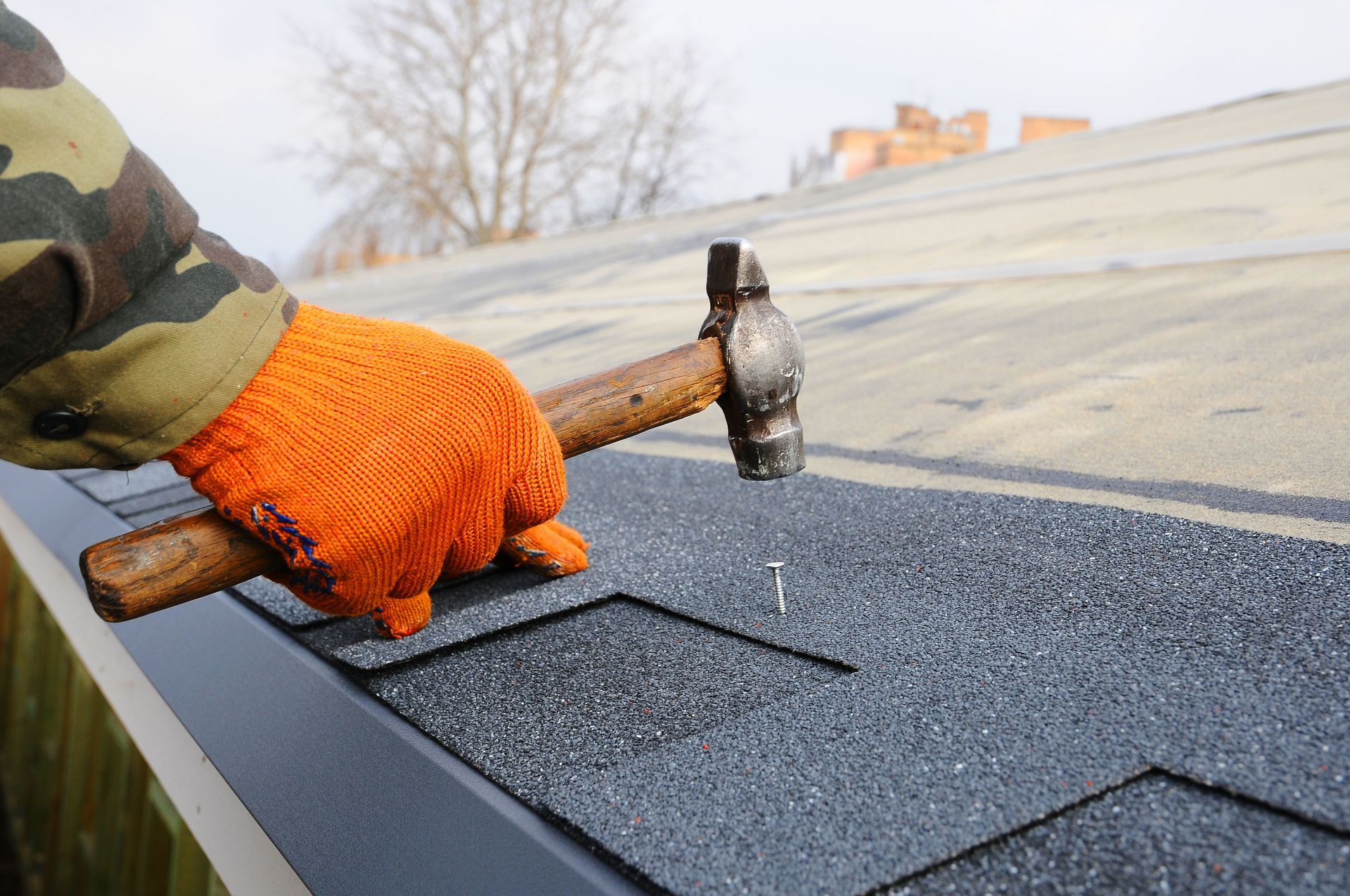
Removing damaged, aging materials reveals the underlying wooden deck for structural evaluation. Methodical tear-off techniques prevent accidental damage to surrounding gutters and siding. Stripping old layers completely ensures new underlayment adheres to a clean, smooth surface.
Managing Site Debris
Collecting waste materials into dedicated dumpsters keeps the surrounding lawn safe and clutter-free. Efficient debris removal prevents sharp nails and torn shingles from endangering children or pets. Responsible waste disposal reflects professional site management.
Preparing Deck Surfaces
Inspecting uncovered roof decking allows technicians to replace rotted plywood before installing new shingles. Reinforcing weak decking guarantees a solid foundation for moisture barriers and flashing. Proper deck prep ensures optimal material adhesion and long-term performance.
Installing Protective Layers
Handling Delivered Materials
Inspecting delivered supplies ensures all shingles, underlayment rolls, and flashing arrive undamaged. Organizing materials strategically on-site speeds up daily installation steps. Proper material care prevents product defects and avoids installation delays.
Applying Modern Techniques
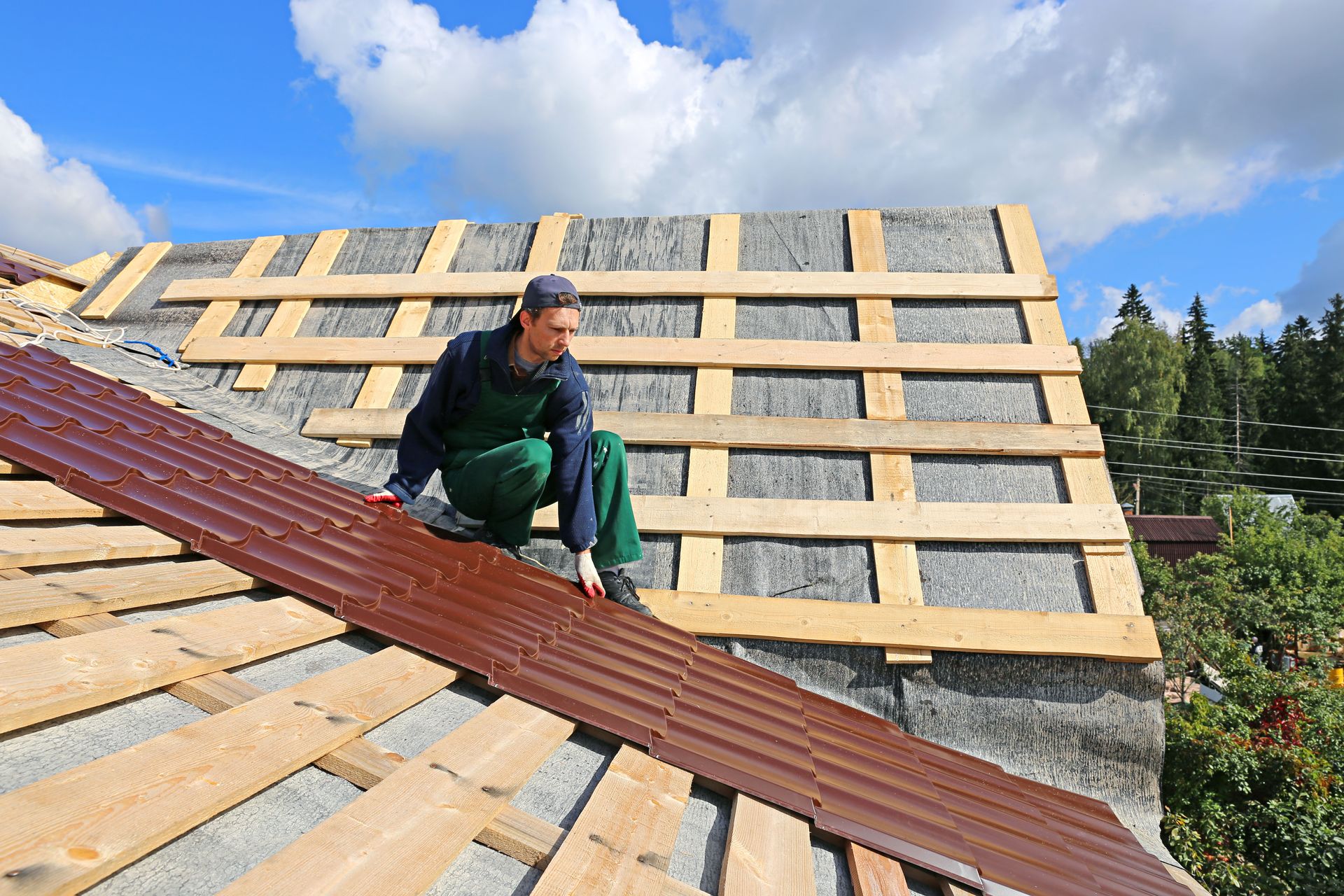
Utilizing industry-standard installation methods ensures your new surface resists high winds and heavy rainfall. Technique varies depending on whether asphalt, tile, or metal panels are selected. Precision craftsmanship prevents premature wear and leak development.
Inspecting Work Quality
Conducting continuous quality checks guarantees that every shingle row complies with manufacturer specifications. On-site supervisors correct minor misalignments instantly to preserve structural integrity. Partnering with a certified roofing company ensures skilled oversight across every phase of installation.
Resolving Structural Issues
Adapting quickly to unexpected deck damage ensures the installation stays on schedule. Experienced crews maintain contingency plans to address hidden rot without halting progress. Transparent updates keep homeowners informed if additional repairs become necessary.
Updating Homeowner Progress
Providing daily status reports keeps property owners informed regarding completed stages and upcoming tasks. Open communication allows homeowners to ask questions and review completed work. Consistent updates build confidence and guarantee complete project transparency.
Completing Final Checks
Conducting Final Inspections
Performing a comprehensive structural walkthrough confirms that all installation specifications meet strict industry standards. Supervisors verify ridge vent alignment, flashing seals, and drip edge placement. According to Consumer Affairs, foundation, structure, and building exterior contractors employ 91.6% of all U.S. roofers, underscoring the significance of high industry standards.
Issuing Warranty Documents
Providing detailed material warranties and workmanship guarantees protects your long-term financial investment. Reviewing coverage terms helps homeowners understand proper maintenance obligations. Comprehensive documentation serves as essential proof for future real estate transactions.
Resolving Remaining Concerns
Addressing lingering homeowner questions ensures complete satisfaction before final payments are processed. Open post-installation dialogue confirms all project expectations have been met. Responsive service builds an enduring relationship between clients and contractors.
Walking Through Final Details
Reviewing completed work alongside homeowners provides an ideal opportunity to explain ongoing maintenance recommendations. Showing off finished flashing details and ridge ventilation instills total confidence in the build. The final walkthrough marks the successful completion of your renovation.
Maintaining Long-Term Strength
Scheduling Periodic Inspections
Booking annual professional roof audits catches minor shingle wear before it develops into interior water leaks. Certified inspections verify that sealants and flashing remain watertight after severe storms. Routine checks extend the overall operating lifespan of your installation.
Following Preventive Tips
Clearing gutter channels, trimming overhanging tree branches, and removing roof moss prevents water backup. Proper attic ventilation reduces heat accumulation, preserving shingle integrity during hot summers. Simple preventive care protects your home from costly structural damage.
Repairing Minor Damage
Addressing storm damage immediately prevents water from penetrating interior insulation and ceiling drywall. Replacing missing shingles promptly maintains the continuous waterproof barrier of your roof. Working with a dependable local contractor ensures fast, effective repair solutions.
Enhancing Weather Resistance
Applying specialized sealants and storm-resistant flashing enhances your home's defense against severe weather. Consulting experts regarding regional weatherproofing upgrades prevents wind-driven rain intrusion. Proactive weatherproofing keeps your living space safe, dry, and comfortable.
Understanding every phase of a renovation empowers homeowners to make informed decisions for their property. Partnering with a trusted roofing company guarantees expert craftsmanship, transparent communication, and long-term structural security. Proactive care and routine inspections preserve your investment, ensuring your home remains protected against severe weather for decades. To schedule your comprehensive home inspection and start your project with confidence, reach out today to Your Neighborhood Roofer.