August 7, 2026
Choosing the right roofing material is critical for protecting your home, supporting energy efficiency, and maintaining curb appeal. Homeowners have many options available, including asphalt shingles, metal, tile, slate, wood, and synthetic materials, each with different advantages and limitations. Climate, structural requirements, maintenance expectations, budget, and architectural style should all influence the final decision. Because a roof is a long-term investment, evaluating these factors before installation can help prevent premature repairs, excessive maintenance, and unnecessary replacement costs. Working with an experienced roofing contractor can also help homeowners compare materials based on the specific characteristics of their property rather than choosing solely on appearance or initial price.
Understanding Your Environmental Conditions
Climate is one of the most important considerations when selecting a roofing material. Homes in areas with heavy snowfall may benefit from metal or slate because their surfaces can encourage snow to shed more efficiently. In warmer climates, reflective metal panels, light-colored tiles, or specialized shingles can reduce heat absorption and help control cooling costs. Humidity and frequent rainfall should also be considered because moisture can encourage algae, moss, rot, and premature deterioration in certain materials. Selecting products designed for the local environment can improve performance and extend the useful life of the roof.
Wind, hail, ultraviolet exposure, and severe storms may further narrow the available options. Metal roofing, reinforced asphalt shingles, and concrete tiles can provide strong resistance to wind when installed correctly. Areas with intense sunlight may require materials that resist fading and UV deterioration, while regions that frequently experience hail may benefit from impact-resistant products. A roofing contractor can review local weather patterns and recommend materials with performance ratings appropriate for the conditions homeowners are likely to encounter.
Considering Energy Efficiency and Insulation
A roof has a direct influence on indoor comfort because it affects how much heat enters or leaves the home. Materials with reflective properties can reduce solar heat gain during warm weather, while appropriate insulation beneath the roof can help maintain stable indoor temperatures throughout the year. Metal roofing, clay tiles, and certain reflective shingles are popular choices for homeowners interested in controlling heat absorption. Roof color also matters, with lighter finishes generally reflecting more sunlight than darker surfaces.
Ventilation should be considered alongside insulation and material selection. Proper attic airflow can help prevent excessive heat buildup, moisture accumulation, mold growth, and deterioration of structural components. Even a durable roofing material can experience problems when ventilation is inadequate. Homeowners should therefore consider the roof as a complete system that includes the covering, underlayment, insulation, flashing, vents, and drainage components rather than focusing on the visible material alone.
Comparing Roofing Material Lifespans
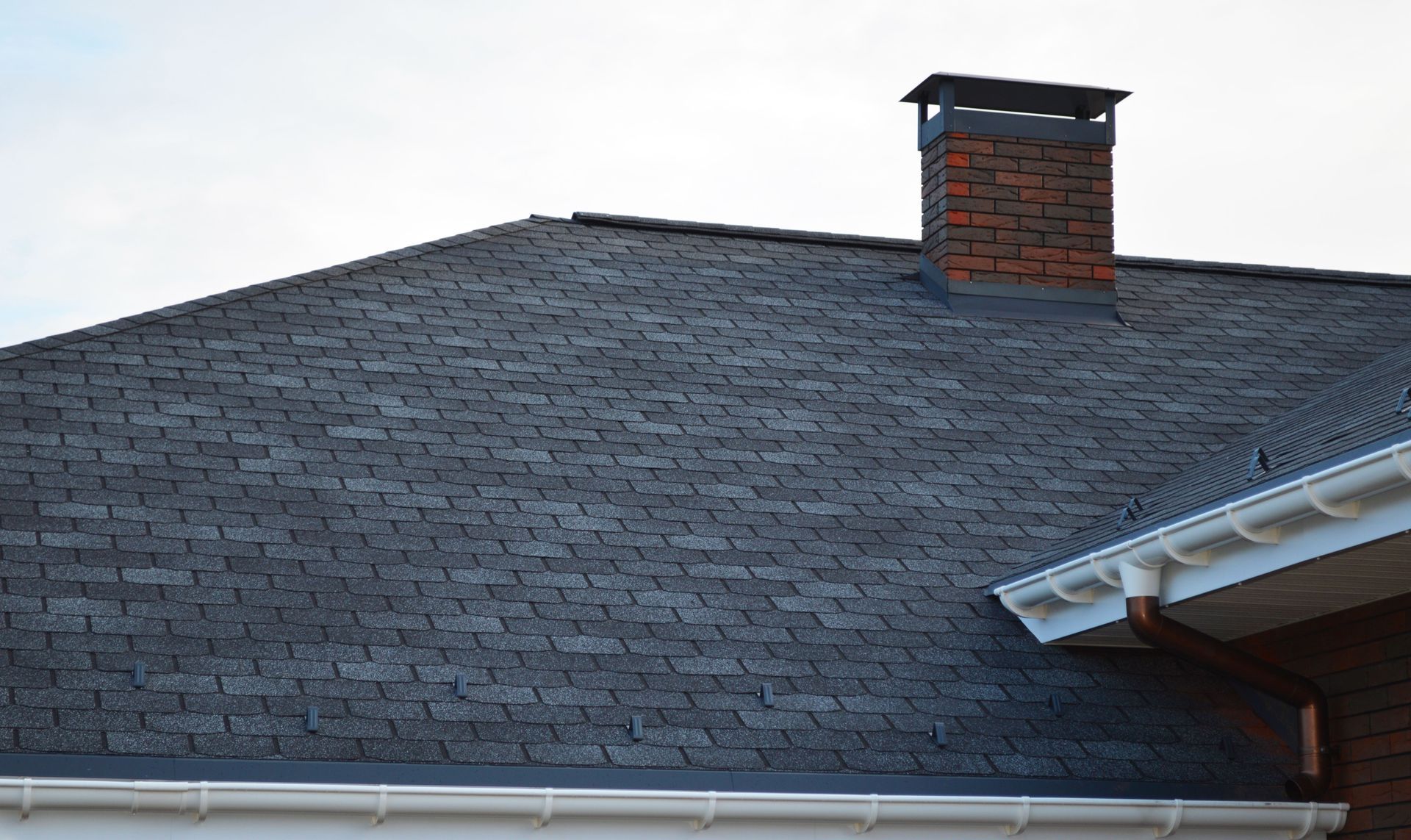
Expected lifespan varies considerably between materials. Metal roofs may last several decades and are valued for their durability, low maintenance requirements, and resistance to fire and weather. Asphalt shingles generally have a shorter lifespan, but their affordability, versatility, and straightforward installation make them a common residential choice. According to RubyHome, asphalt shingles are used in roughly 75% of roofing projects, demonstrating their continued popularity among homeowners. Product quality, climate, installation, and maintenance can all affect how long any roofing system ultimately performs.
Clay and concrete tiles can last 50 years or longer when properly installed and maintained, although their considerable weight may require additional structural support. Slate can provide an even longer service life but is usually associated with higher material and installation costs. Wooden shakes offer distinctive character but may require more maintenance to control moisture, insects, and decay. Synthetic materials can imitate slate or wood while reducing weight and upkeep requirements. Discussing these differences with a roofing contractor can help homeowners balance expected longevity with budget and maintenance preferences.
Evaluating Initial and Long-Term Costs
Installation cost is often one of the first factors homeowners consider, but upfront price does not provide a complete picture of value. Asphalt shingles are generally among the more affordable options, while slate, tile, and premium metal products may involve significantly higher installation costs. Roof size, pitch, accessibility, labor requirements, removal of existing materials, and structural modifications can also influence the final project price. Obtaining detailed estimates can help homeowners understand which expenses are associated with materials and which are related to installation complexity.
Long-term maintenance and replacement frequency should also be included in the comparison. A less expensive material may require repairs or replacement sooner, while a more durable system may provide better value over several decades. Warranty protection can further influence overall costs, particularly when manufacturer and workmanship coverage are available. A roofing contractor should explain warranty terms, exclusions, maintenance requirements, and expected service life so homeowners can evaluate total ownership costs rather than concentrating entirely on the initial estimate.
Matching Materials to Architectural Style
The roof covers a significant portion of the home's visible exterior, making material choice an important design decision. Traditional homes may pair naturally with asphalt shingles, wood shakes, or slate, while modern designs may benefit from standing-seam metal panels or streamlined synthetic products. Spanish, Mediterranean, and Southwestern homes often complement clay or concrete tiles. Matching roofing materials to architectural features helps establish a cohesive appearance and can strengthen the property's overall curb appeal.
Color, texture, and finish provide additional opportunities for customization. Homeowners can select neutral colors that blend with siding and masonry or choose contrasting tones that make the roof a more prominent design feature. Some synthetic materials closely imitate natural slate or wood while offering more consistent coloration and reduced maintenance. When working with an existing home, homeowners should consider exterior paint, brick, stone, trim, gutters, and neighboring architectural styles before finalizing the roof design.
Reviewing Structural Requirements
Not every roof structure can support every roofing material. Heavy products such as slate, clay, and concrete tile may require reinforcement before installation, especially on older homes originally built for lightweight shingles. Roof pitch also affects material suitability. Steeper roofs generally shed water and debris efficiently, while low-slope designs often require specialized systems that provide stronger resistance to standing water and moisture infiltration.
Complex roof shapes may require additional planning. Multiple valleys, dormers, skylights, chimneys, and architectural projections increase the number of transitions that must be flashed and sealed correctly. Materials that work well on simple roofs may require more labor when installed across intricate designs. Before choosing a heavier or specialized material, a roofing contractor can evaluate framing, decking, pitch, drainage, and other structural conditions to determine whether modifications are necessary.
Considering Maintenance Requirements
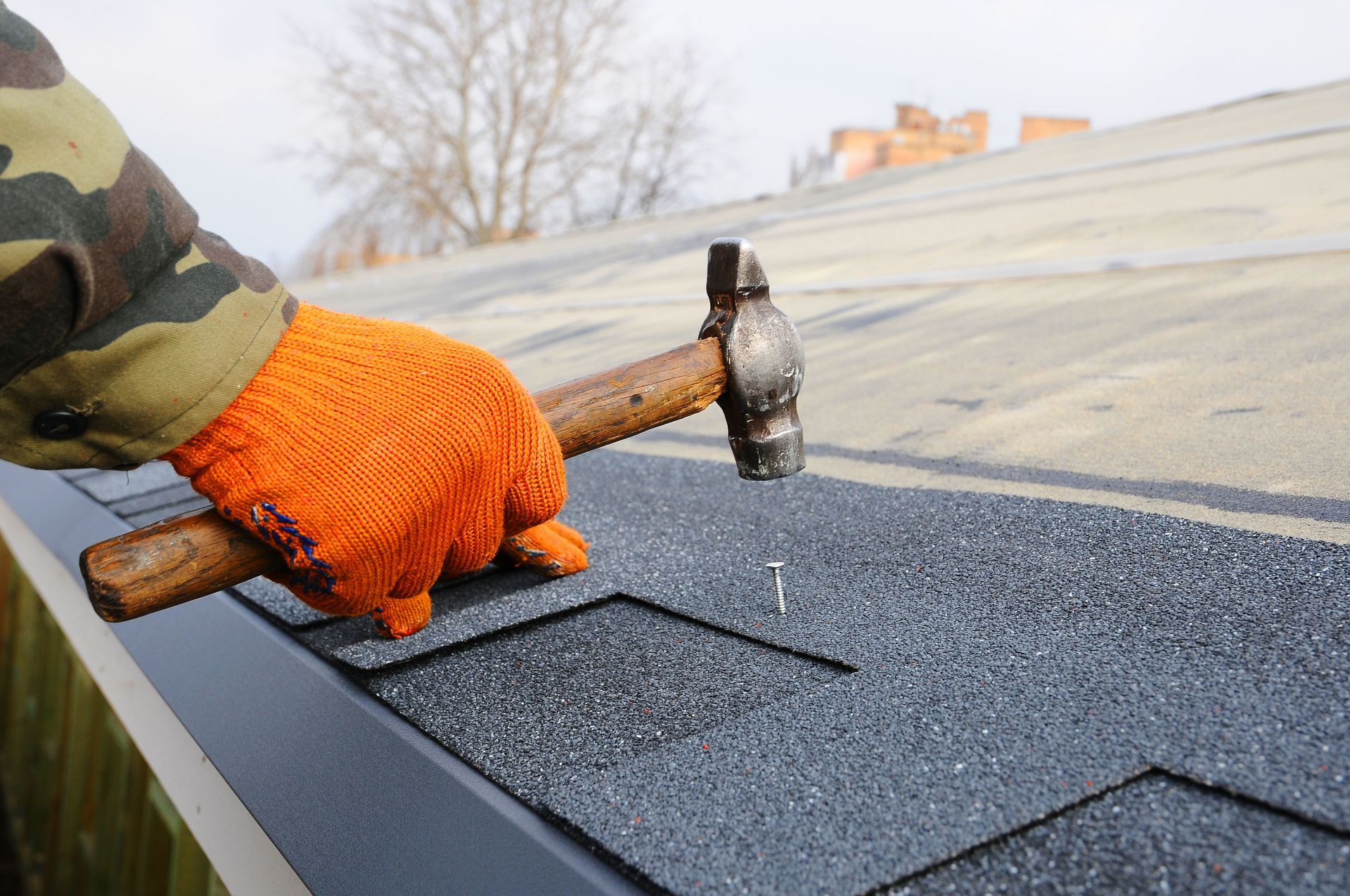
Maintenance expectations vary by roofing type. Asphalt shingles should be inspected periodically for missing, cracked, curling, or damaged sections, particularly after storms. Metal systems typically require limited maintenance but should still be checked for damaged fasteners, seams, flashing, and coatings. Wooden materials may require treatments to reduce moisture damage and organic growth, while tile roofs should be monitored for cracked or displaced pieces.
Routine inspections can identify minor concerns before they develop into leaks or structural damage. Gutters should also remain clear so water can move efficiently away from the roof and foundation. Tree branches hanging over the structure may need trimming to reduce debris buildup and impact damage. Establishing a consistent maintenance schedule with a roofing contractor can help preserve material performance and maximize the lifespan of the system.
Professional guidance can make the selection process easier by connecting product characteristics with the home's specific needs. A qualified roofing contractor can assess existing conditions, explain material advantages and limitations, identify structural considerations, and provide realistic installation and maintenance expectations. By carefully reviewing available options and considering how the entire roofing system functions together, homeowners can select a material that provides dependable protection, attractive design, and lasting value for years to come. Contact our team at Your Neighborhood Roofer today and learn more about our roofing services.