November 11, 2026
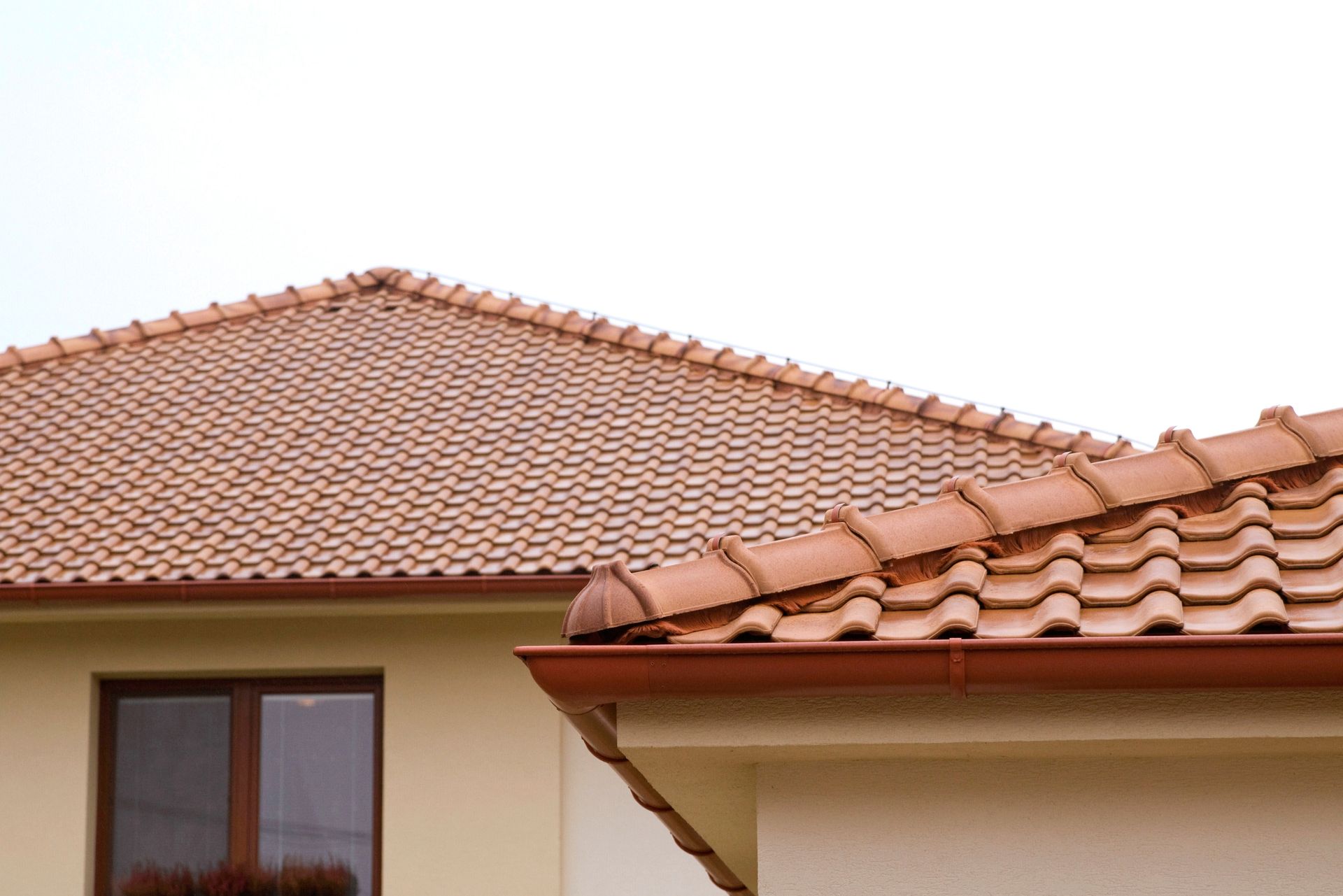
Property owners seek building materials combining visual appeal with functional endurance. Among available choices, earth-based materials stand out for historic charm and proven resilience. Selecting a protective roofing material requires weighing initial expenditures against future benefits. Those researching high-quality options encounter traditional terra cotta as a prominent candidate. Integrating clay tile roofing transforms a building's exterior while offering formidable protection against harsh environmental conditions.
Understanding the viability of this material requires comprehensive analysis. The financial commitment stretches beyond physical pieces, encompassing labor and structural necessities. In addition, inherent thermal properties play a critical role in moderating indoor temperatures and reducing utility expenses. Evaluating the overarching return on investment means examining durability, maintenance demands, and overall lifespan.
Financial Considerations and Installation Expenses
The initial financial outlay for these traditional materials eclipses the price of basic asphalt alternatives. Manufacturing earth-based pieces involves mining, shaping, and kiln-firing, which demands substantial resources. As a result, raw materials command a premium price in the construction market. Property owners must prepare for a massive capital investment when selecting this premium option. The high cost creates a barrier for budget-conscious individuals seeking a low-cost fix for a deteriorating structure.
Beyond materials, structural requirements add another layer of expense. Earth-based pieces possess immense weight, requiring reinforced roof framing to prevent sagging. Before laying clay tile roofing, structural engineers must evaluate the existing framework. If rafters lack necessary strength, construction crews must install additional support beams. This prerequisite framing work inflates the total bill and extends the project timeline.
The labor required to secure these materials elevates the final price tag. Securing the pieces demands specialized skills and meticulous attention to detail. Installers must align each component with precision to ensure watertight protection and aesthetic symmetry. Cutting the hard material to fit around vents requires specific tools and extra time. The complex installation process means labor costs consume a massive portion of the budget.
While traditional barrel shapes remain popular, modern architectural preferences introduce different styles into the market. Builders select sleeker profiles to complement contemporary home designs. According to Coherent Market Insights, flat tiles are projected to account for 39.6% of the global clay roof tiles market in 2026 because of their attractive appeal and versatility. This specific style offers a streamlined appearance while maintaining the inherent benefits of earth-based composition.
Energy Efficiency and Temperature Regulation
A major advantage of this material lies in its thermal mass. The dense earth composition absorbs solar heat during peak daytime hours. Rather than transferring this heat into the attic space, the material holds warmth and releases it as ambient temperatures drop. This delayed heat transfer keeps interior living spaces cooler during scorching afternoons. Such natural thermal regulation reduces the burden placed on mechanical air conditioning units.
In addition to thermal mass, surface characteristics provide excellent solar reflectance. The natural earth tones, such as traditional terracotta reds, deflect a massive portion of solar rays from the structure. Lighter shades perform at a superior level in reflecting intense solar radiation. By preventing solar energy from penetrating the building envelope, the interior remains comfortable. This reflective quality proves invaluable in regions experiencing prolonged periods of intense heat.
The physical shape of the pieces contributes to overall climate control. Many styles feature curves or raised profiles that create a continuous air gap above the roof deck. This built-in ventilation layer allows trapped heat to escape and permits fresh air to circulate beneath the surface. The constant airflow acts as a natural barrier, insulating the home from extreme exterior temperatures.
The combination of thermal mass, solar reflectance, and natural ventilation yields tangible utility savings. Property owners notice a distinct decrease in monthly energy expenditures during peak summer months. Less reliance on artificial cooling translates to reduced carbon emissions. The energy-saving properties of clay tile roofing help offset the initial installation premium over time. These sustained savings present a compelling financial argument for energy-conscious individuals.
Material Durability and Element Resistance
Protection against extreme natural forces stands as a primary reason homeowners choose this premium option. The material is non-combustible, earning the highest possible fire resistance rating in the construction industry. Flying embers from nearby wildfires pose no threat to the kiln-fired exterior. This unparalleled fire protection provides peace of mind for residents living in dry, fire-prone regions. Insurance companies recognize this resilience by offering reduced premiums.
The immense weight becomes a crucial asset during severe storms. High-velocity winds struggle to lift or dislodge the heavy pieces. Rainwater sheds without issue off the impervious surface, preventing moisture intrusion into the underlying structure. The robust nature of the material outlasts thin alternatives when facing damage from hail and airborne debris. This storm-resistant quality ensures the structure remains secure through turbulent weather events.
Biological threats and pest infestations hold no power over the baked earth composition. Unlike wood shakes, the material avoids rot and decay when exposed to humid environments. Termites and rodents cannot consume or nest within the hard exterior shell. Beyond that, the surface resists moss and algae growth, maintaining a clean appearance in damp climates. The absence of these common degradation factors contributes to legendary longevity.
Despite the permanence of the outer shell, the complete system requires occasional attention. The protective underlayment situated beneath the outer layer degrades at a faster rate than the hard exterior. Construction professionals replace the waterproof membrane and reinstall the original surface as the membrane ages. This maintenance procedure ensures the underlying wood deck remains dry and secure. The overall endurance of the system remains unmatched in the building sector.
Long-Term Value and Return Assessment
Determining the true worth of a building material requires looking past the initial invoice. Temporary materials require complete replacement multiple times over the lifespan of an earth-based roof. Eliminating the endless cycle of tearing off and replacing deteriorating shingles saves massive amounts of money and landfill space. The permanence of clay tile roofing transforms a recurring maintenance expense into a generational asset. Over decades, the average annual cost decreases.
The visual impact of traditional architecture elevates the overall market desirability of a property. Prospective buyers recognize the premium nature of the materials and appreciate the promised longevity. A home featuring such a distinguished exterior commands a higher resale price on the real estate market. The aesthetic charm combined with functional superiority creates a strong selling point. Investing in premium exterior finishes yields tangible returns upon property sale.
Maintaining the pristine condition of the exterior requires minimal effort from the property owner. Routine visual inspections help identify cracked or slipping pieces before water penetrates the interior. Gentle cleaning removes accumulated dirt or debris without damaging the protective surface. The lack of intensive upkeep frees individuals from dedicating weekends to constant structural repairs. This low-maintenance reality adds immense intangible value to the overall ownership experience.
When aggregating utility savings, elevated property value, and absence of replacement costs, the financial picture clarifies. The steep upfront barrier deters many, but those who proceed secure a permanent architectural upgrade. The investment pays dividends through continuous protection, reduced energy consumption, and increased curb appeal. For property owners planning to remain in a residence for generations, installing clay tile roofing represents a sound financial strategy. The lasting benefits outweigh the initial capital required.
The decision to upgrade a property's exterior involves balancing immediate budget constraints against future advantages. Premium earth-based materials demand a substantial initial financial commitment for both the product and specialized labor. The necessity for reinforced framing adds to the baseline expense. Yet, these upfront hurdles pale in comparison to the enduring benefits provided. Clay tile roofing delivers unparalleled fire resistance, impressive storm protection, and significant utility savings through natural thermal regulation. If you are ready to make a lasting investment in your property, we at Your Neighborhood Roofer are here to help. Contact us today to discuss how clay tile roofing can transform and protect your home for decades to come.