November 12, 2026
Asphalt shingles remain one of the most popular roofing materials in residential construction because they offer an appealing combination of affordability, durability, and versatility. However, not every asphalt shingle roof performs equally well over time. While some homeowners enjoy 30 years or more from their roofs, others find themselves facing expensive repairs or complete replacements after just 15 years. The difference often comes down to several interconnected factors, including material quality, installation practices, climate, and ongoing maintenance. Understanding these variables can help homeowners make informed decisions when investing in roofing services and protecting their properties. Although asphalt shingles have an established reputation for reliability, achieving their full expected lifespan requires more than simply choosing a recognizable product.
What Factors Impact the Longevity of Asphalt Shingle Roofs?
Several factors determine how long an asphalt shingle roof will last, beginning with the quality of the materials themselves. Basic three-tab shingles generally have shorter expected lifespans than architectural or dimensional shingles, which feature multiple layers and greater resistance to environmental stress. Premium shingles may also include enhanced wind resistance, impact protection, and algae-resistant properties. According to Market Reports World, the United States accounts for approximately 65% of asphalt shingle consumption, with more than 11 million roofs installed annually using this material. That widespread adoption demonstrates the importance of selecting products suited to individual properties and regional conditions.
Climate also plays a significant role in determining roof longevity. Homes exposed to intense sunlight experience gradual deterioration as ultraviolet radiation breaks down asphalt components. Extreme temperature fluctuations can cause repeated expansion and contraction, placing additional stress on shingles and their fasteners. Meanwhile, heavy snowfall, ice accumulation, strong winds, and persistent moisture create challenges in colder regions. Proper attic ventilation and moisture management are particularly important in preventing premature deterioration.
How Do Roofing Services Influence Roof Durability?
Professional installation has a direct relationship with how effectively an asphalt shingle roof performs throughout its lifespan. Roofing contractors understand how different materials interact with roof structures, ventilation systems, flashing, and underlayment. Their experience allows them to identify potential problems before they become expensive complications.
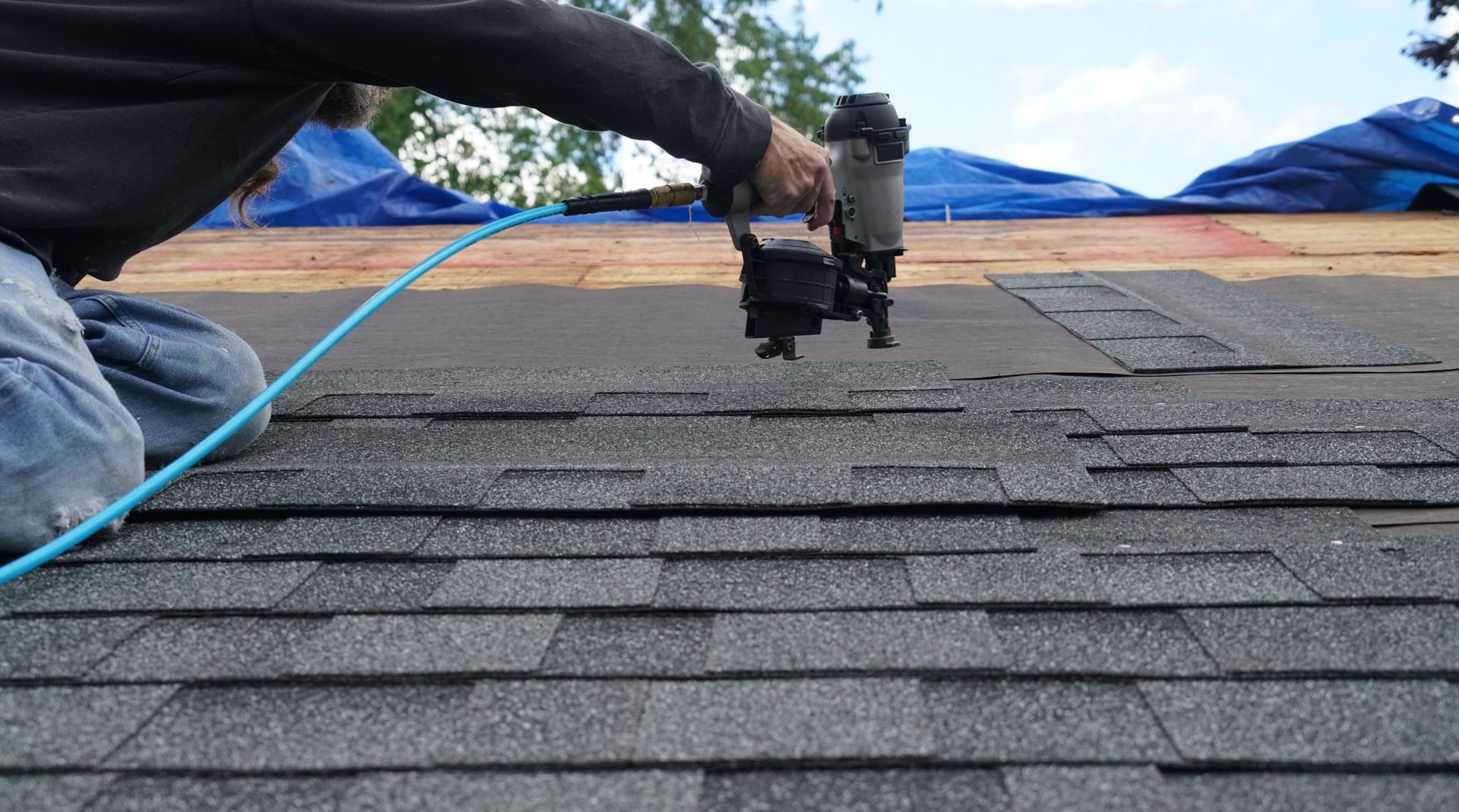
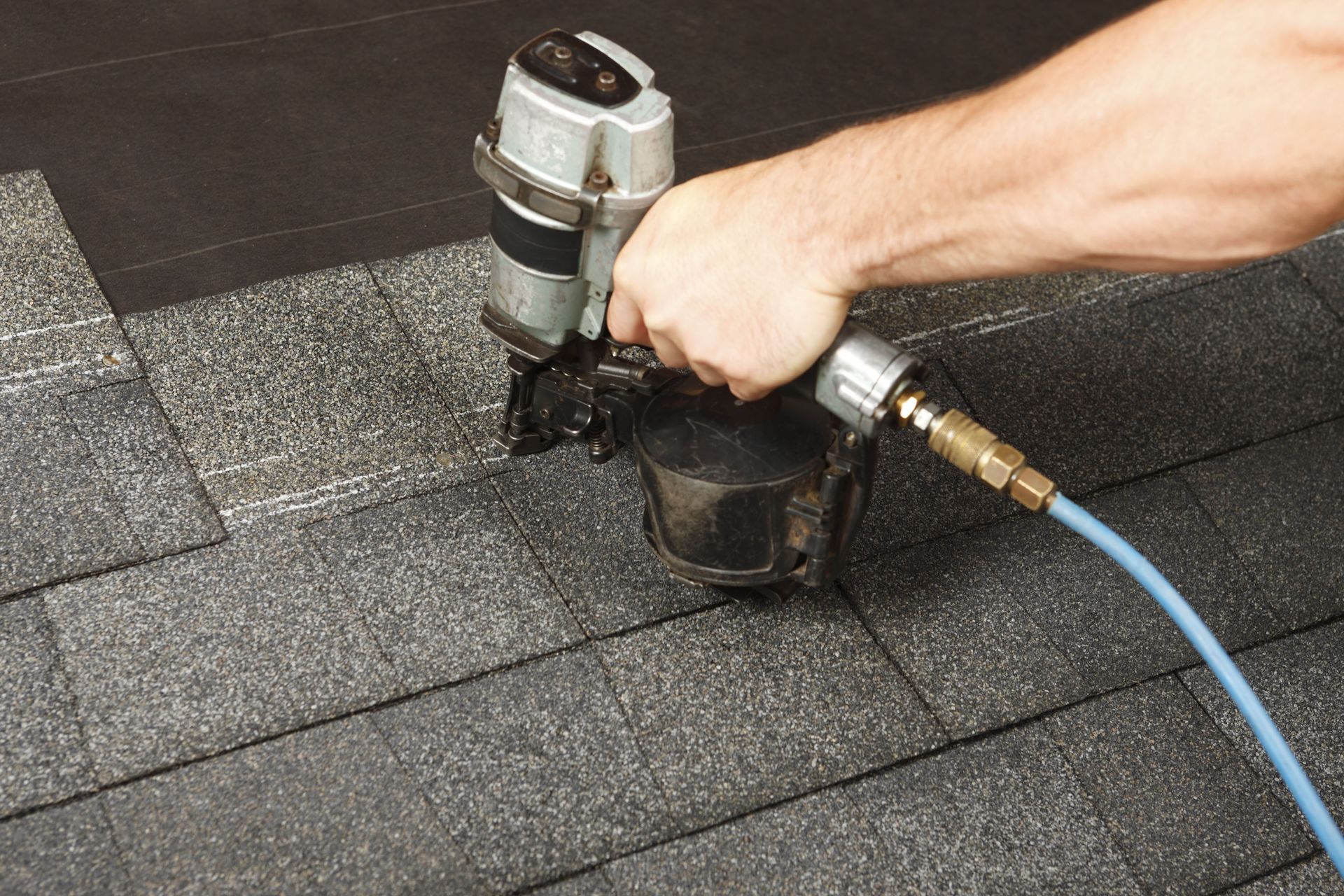
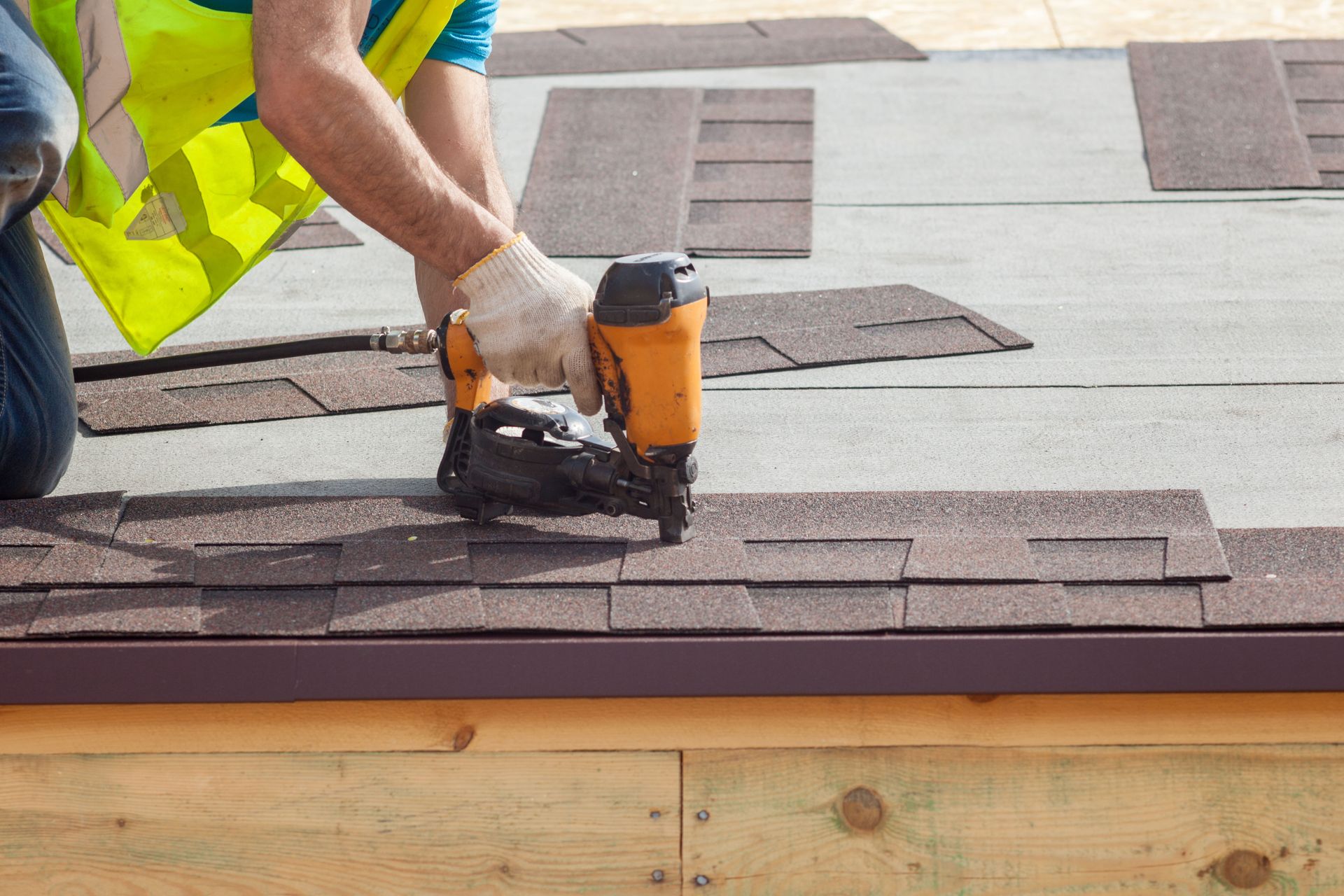
One important consideration is proper shingle placement and fastening. Manufacturers establish specific requirements for nail placement, nail quantity, and exposure measurements. Incorrect fastening can leave shingles vulnerable to wind damage, while improper alignment can compromise their ability to shed water effectively. Experienced roofing services understand these requirements and apply installation techniques designed to protect the entire roofing system.
Contractors also evaluate the components beneath the shingles. Underlayment provides an additional protective barrier against moisture, while flashing helps prevent water from entering vulnerable areas around chimneys, skylights, and roof valleys. Neglecting these details can lead to leaks even when the shingles themselves remain in relatively good condition.
Ventilation is equally important. An improperly ventilated attic can trap excessive heat and moisture, accelerating shingle deterioration and contributing to condensation-related problems. Qualified contractors consider intake and exhaust ventilation when assessing a roofing project. By addressing the entire roofing system rather than focusing exclusively on the visible shingles, professional roofing services help homeowners achieve better long-term results.
What Are the Common Mistakes That Shorten Roof Lifespan?
Many premature roofing failures can be traced to preventable installation mistakes. One common problem involves installing new shingles over an existing roofing layer without properly evaluating the underlying structure. Although some building codes permit multiple roofing layers, this approach can conceal damaged decking, increase roof weight, and make it more difficult to identify existing moisture problems.
Improper flashing installation is another frequent source of trouble. Roof penetrations and intersections require carefully installed flashing to prevent water intrusion. When contractors reuse deteriorated flashing or rely on inadequate sealing methods, moisture can gradually enter the roof structure. These leaks may remain undetected until homeowners notice interior stains, damaged insulation, or deteriorating wood.
Poor ventilation can also shorten shingle lifespan considerably. Excessive attic temperatures contribute to premature aging, while trapped moisture encourages mold growth and wood deterioration. Using incompatible materials or ignoring manufacturer installation instructions can create additional problems.
How Important Is Regular Maintenance and Inspections?
Even a properly installed asphalt shingle roof requires occasional maintenance to achieve its expected lifespan. Weather exposure gradually affects roofing materials, and minor problems can develop without immediately becoming noticeable from the ground. Regular inspections provide opportunities to identify these issues before they compromise larger sections of the roof.
Homeowners should periodically look for missing, cracked, curling, or visibly damaged shingles. Granule accumulation in gutters and downspouts can also indicate that shingles are experiencing wear. While some granule loss is normal, excessive accumulation may suggest accelerated deterioration. Checking ceilings and attic spaces for water stains, damp insulation, or unusual odors can reveal problems that are not immediately visible outdoors.
Gutter maintenance is another important responsibility. Clogged gutters prevent proper drainage, allowing water to accumulate along roof edges. During colder weather, inadequate drainage can contribute to ice dam formation, potentially forcing water beneath shingles. Keeping gutters clear and ensuring downspouts direct water away from the foundation helps protect the entire property.
Professional inspections provide another layer of protection. Reliable roofing services can evaluate flashing, ventilation, shingle condition, and other components that homeowners might overlook. Inspections following severe storms are particularly useful because wind and hail damage may not always be obvious from the ground.
What Materials and Technologies Enhance Roof Longevity?
Advances in asphalt shingle manufacturing have introduced products designed to address several common causes of premature roof deterioration. Architectural shingles, for example, offer greater thickness and improved dimensional construction compared with traditional three-tab products. Their layered design can provide enhanced wind resistance and a longer expected service life, depending on the manufacturer and installation conditions.
Impact-resistant shingles represent another development worth considering, particularly for properties in areas that experience frequent hailstorms. These products are manufactured to withstand greater impact forces than standard shingles, potentially reducing damage during severe weather. Some manufacturers also offer algae-resistant shingles that incorporate copper or other protective technologies to discourage dark streaks caused by algae growth.
Synthetic underlayments have also improved moisture protection beneath asphalt shingles. Compared with traditional felt products, many synthetic options offer greater tear resistance and improved durability during installation. Modern ventilation products, including specialized ridge vents and balanced intake systems, further help regulate attic temperatures and moisture levels.
Homeowners interested in these improvements can discuss available options with contractors offering modern roofing services. However, selecting advanced materials does not automatically guarantee a longer-lasting roof. Product compatibility, local building requirements, installation specifications, and warranty conditions all deserve consideration.
It is also important to understand that advertised shingle warranties do not necessarily represent guaranteed roof lifespans. A 30-year or lifetime limited warranty typically includes specific conditions, exclusions, and coverage limitations. Homeowners should review these details rather than assuming that a warranty guarantees decades of maintenance-free performance. Experienced contractors can explain the differences between product warranties, workmanship guarantees, and realistic service-life expectations.
Investing in quality materials and professional roofing services gives homeowners a better opportunity to achieve their roof's expected service life. Routine inspections, timely repairs, and proper drainage provide additional protection against preventable deterioration. While no asphalt shingle roof lasts forever, homeowners who prioritize workmanship and consistent maintenance can significantly reduce premature failures and get considerably more value from their investment. If you need a roof, reach out to the team at Your Neighborhood Roofer today!