April 2, 2026
Your roof does more than cover your home. It helps protect your structure, supports indoor comfort, and stands between your family and the weather outside. Because it works so hard year after year, even small signs of wear can point to larger problems ahead. Many homeowners do not realize that minor roofing issues can worsen quickly when they are left alone. A small leak, a few damaged shingles, or a subtle change in the roofline may not seem urgent at first, but those details can lead to more extensive water damage, higher repair costs, and a shorter roof lifespan. Paying attention to early warning signs can help you plan for timely roof repairs before the damage spreads.
Waiting too long can turn a manageable issue into a disruptive and expensive project. Moisture can move beneath roofing materials, insulation can become compromised, and structural components may begin to weaken before the full extent of the damage is visible from the ground. Homeowners who know what to watch for are in a better position to respond early and protect their investment. When you understand the signs that your roof may need attention, it becomes easier to make informed decisions and avoid larger problems later.
Watching for Missing or Damaged Shingles
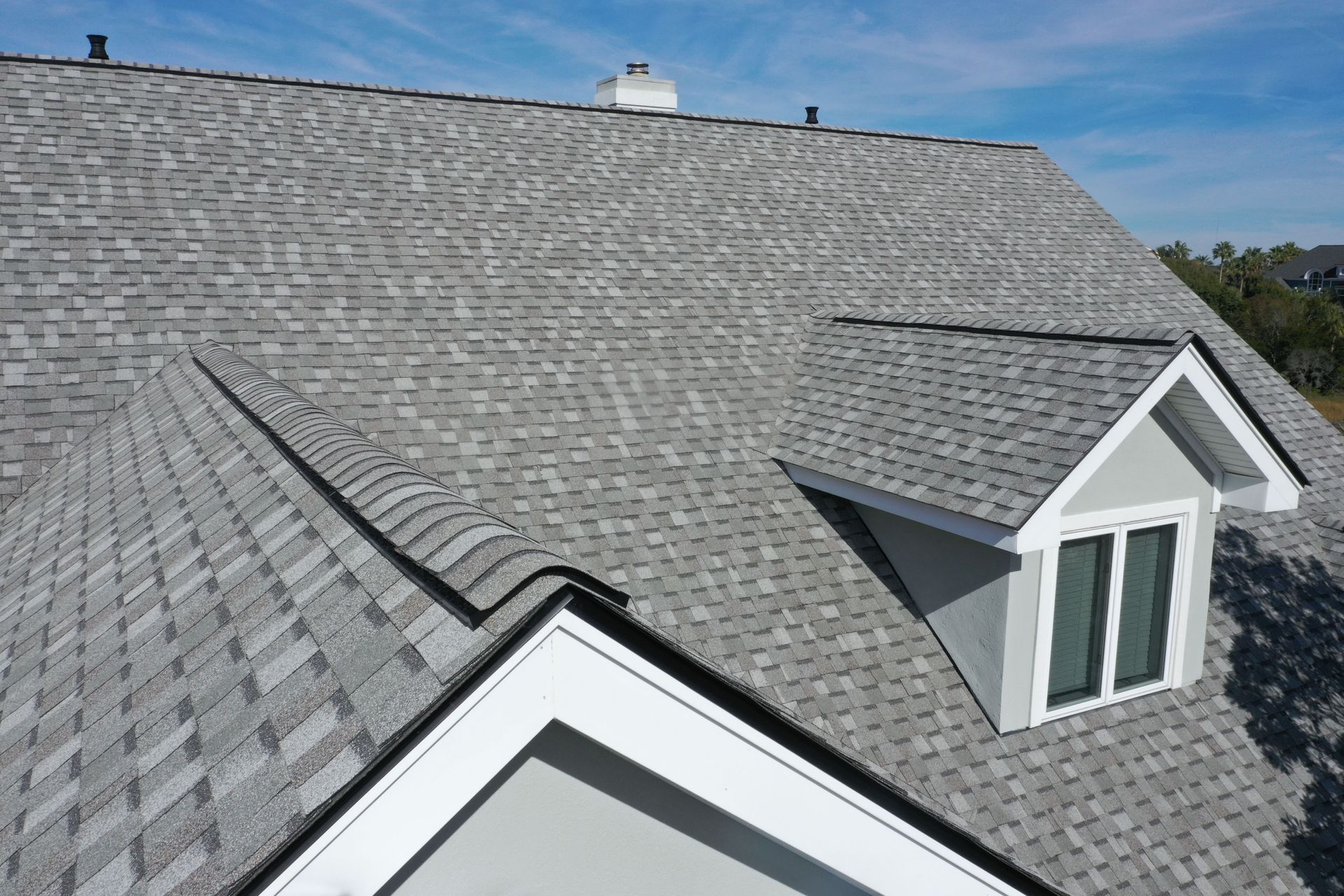
One of the clearest signs that a roof may need attention is visible shingle damage. Shingles that are cracked, curling, buckling, or missing altogether can expose the roof to moisture, wind, and sunlight in ways that speed up deterioration. A roof is designed to work as a complete system, so when one area weakens, nearby sections can become more vulnerable as well. Even if the damage appears limited to one slope or one corner of the home, it may indicate that the roofing materials are aging or struggling to hold up under changing weather conditions.
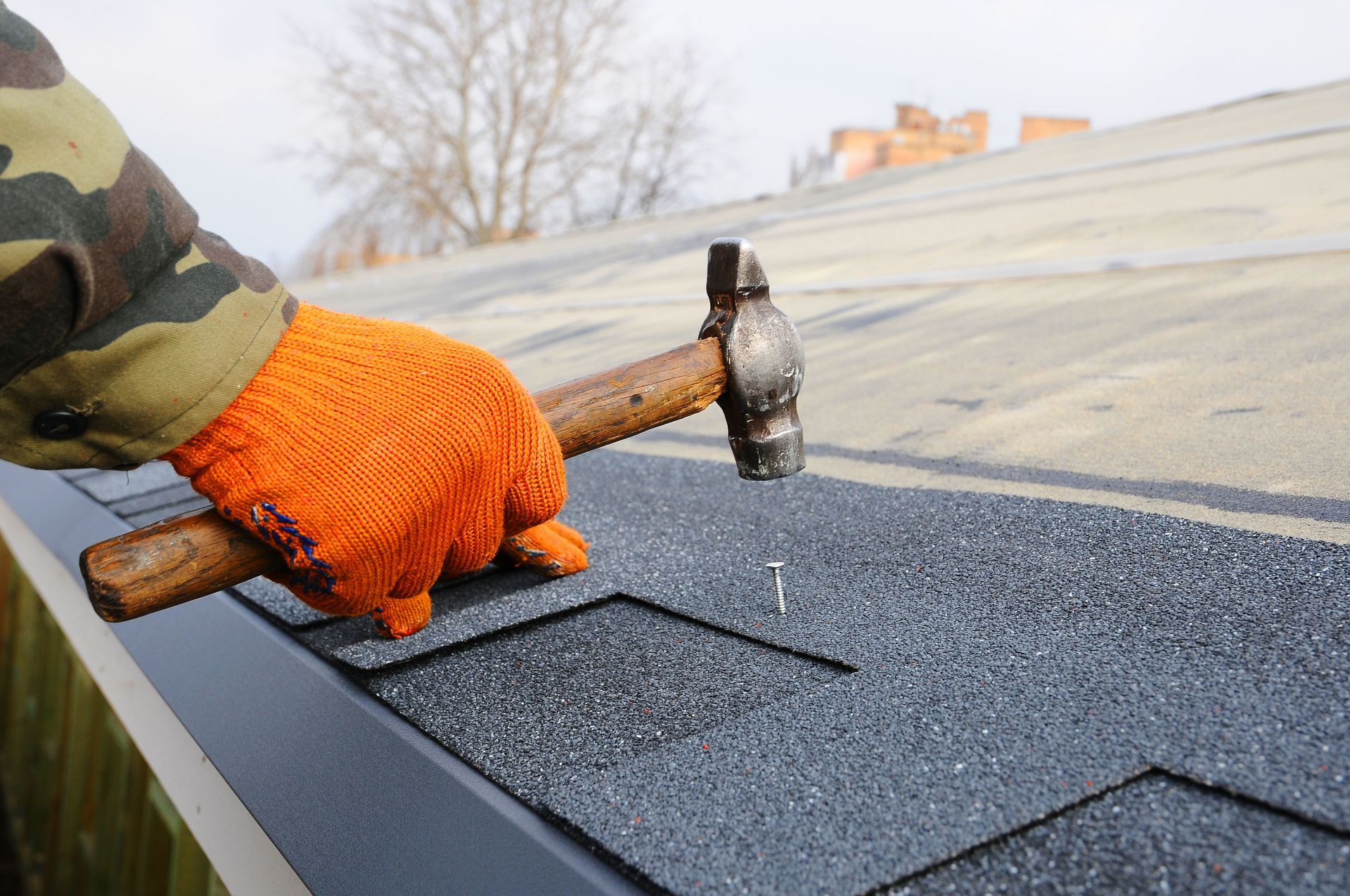
It is also important to remember that shingle problems are not always dramatic. Sometimes the warning signs are subtle, such as granules collecting in gutters or slight lifting along the edges. These may seem minor, but they can signal that the shingles are losing their protective surface and becoming less effective. Addressing these concerns early with professional roof repairs can help reduce the chance of leaks, underlayment damage, or larger sections of roof failure later on.
Looking for Water Stains Indoors
Not every roofing problem starts with something obvious outside the home. In many cases, homeowners first notice trouble when they see water stains on ceilings or walls indoors. Brown spots, peeling paint, bubbling drywall, or damp areas in upper rooms can all suggest that water is getting through the roofing system. By the time these signs appear inside, moisture may already have traveled through layers of roofing material, decking, and insulation. That is why indoor staining should never be ignored or dismissed as a one-time issue.
Leaks do not always drip straight down from the damaged part of the roof, which can make the source harder to identify without a closer inspection. Water may move along beams or through attic spaces before it appears in a visible location. That means the stain you notice inside may only be part of the story. Prompt roof repairs can help stop moisture intrusion before it leads to mold growth, wood rot, or more widespread interior damage that affects both your roof and your living space.
Checking for Sagging Roof Areas
A roof should have a consistent, stable appearance that follows the intended lines of the home. If any section begins to sag, dip, or look uneven, that can point to a more serious concern. Sagging may be related to trapped moisture, weakened decking, structural stress, or long-term deterioration that has affected the roof beneath the visible materials. This type of problem often develops gradually, which means homeowners may not notice it right away unless they regularly look at the roof from different angles around the property.
Because a sagging roof can indicate more than surface-level wear, it is especially important to act quickly when this sign appears. The longer the issue continues, the more likely it is that the underlying materials will keep weakening. In some cases, what begins as a localized problem can spread and affect larger sections of the structure. Timely evaluation and roof repairs can help address the cause before the condition worsens and creates safety concerns or more complex restoration needs.
Observing Moss, Algae, or Debris Buildup
Organic growth and accumulated debris may seem like cosmetic concerns, but they can also point to conditions that are not ideal for a healthy roof. Moss can trap moisture against roofing materials, while leaves and debris can hold water in valleys and along edges where drainage should remain clear. Algae staining may not always signal structural damage on its own, but it can suggest that the roof is staying damp longer than it should. These issues are worth watching because consistent moisture exposure can shorten the life of roofing materials over time.
Homeowners sometimes assume that cleaning alone solves the problem, but the deeper concern is often what allowed the buildup to persist in the first place. Poor drainage, shaded areas, clogged gutters, or aging roofing materials can all contribute to recurring moisture retention. According to This Old House, over the past three years, about 31% of homeowners across the country have completed roof renovation, repair, or maintenance projects. That figure reflects how common roofing concerns are and why it makes sense to respond when your roof shows signs of stress instead of waiting for more serious damage to develop, making timely roof repairs an important part of long-term maintenance.
Paying Attention to Rising Energy Bills
Your roof plays a major role in helping your home maintain a stable indoor temperature. When roofing materials are damaged or when moisture affects insulation and ventilation, your heating and cooling system may have to work harder to keep the house comfortable. A rise in energy bills does not always point directly to the roof, but if it appears alongside other warning signs, it may be part of a larger roofing problem. Heat entering through compromised areas in summer or escaping in cooler weather can put added strain on your home’s efficiency.
This is why it is helpful to look at roof performance as more than just a matter of leaks. A roof that is beginning to fail may affect comfort, airflow, and insulation long before severe visible damage appears. Homeowners who notice unusual temperature fluctuations in upstairs rooms or a steady increase in utility costs may benefit from having the roof evaluated. In some cases, targeted roof repairs can improve protection and help restore better energy performance before the system declines further.
Responding Before Small Issues Spread
One of the most important things homeowners can do is act when a roofing concern first appears instead of waiting for a clearer emergency. Small warning signs often have relatively manageable solutions when they are addressed early. Once water gets beneath roofing materials or weakened areas become more exposed to the weather, the damage tends to expand. What might have started as a limited repair can grow into a larger project involving decking, insulation, ceilings, and even structural framing if too much time passes.
Responding early also gives homeowners more flexibility in planning. Instead of dealing with sudden interior damage during a storm or facing urgent work at an inconvenient time, you have a better chance of scheduling service before the problem becomes disruptive. That approach can protect both the roof and the parts of the home it is meant to defend. If you have noticed any of these warning signs, now is the time to take roof repairs seriously. For trusted help protecting your home before small issues become bigger problems, contact Your Neighborhood Roofer today.