February 5, 2026
Your roof plays a vital role in protecting your home from the elements. When issues arise that compromise your roof’s integrity, addressing them early with professional roof repairs can save you time, money, and stress. At Your Neighborhood Roofer, we understand how small problems can quickly become bigger ones if they're not corrected promptly. Let's explore the most common problems roof repairs address before leaks spread and cause extensive damage.
1. Missing Shingles
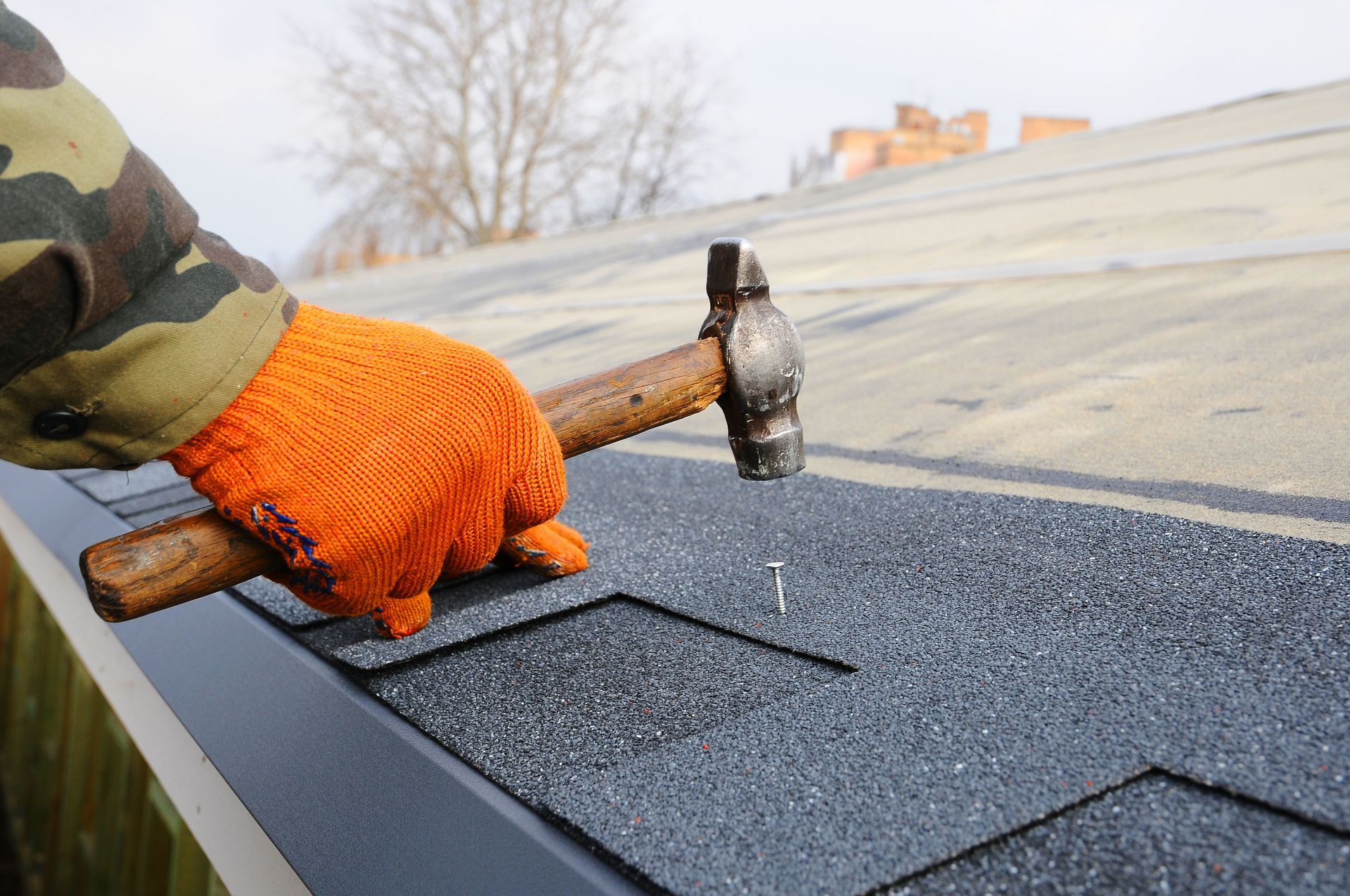
Missing roof shingles may seem like a cosmetic issue, but they're actually one of the leading causes of roof leaks. Shingles are designed to shed water and protect the layers of your roof beneath. When shingles break off from wind damage or age, they leave exposed areas that readily absorb water during rain or melting snow. The result can be moisture infiltration into your decking and insulation, causing rot and mold growth. Roof repairs for missing shingles restore a watertight seal and prevent moisture from gaining a foothold. Without roof repairs, small areas of exposure can quickly become major points of water entry and lead to costly interior damage.
2. Cracked Flashing
Roof flashing is the metal material installed around chimney vents and valleys to direct water away from vulnerable seams in your roof. Over time flashing can corrode or become bent out of shape. When this happens, it loses its ability to channel water effectively. Even tiny gaps in the flashing can allow water to enter behind your roofing materials. Once water finds its way into these openings, it can seep into your attic or walls. Roof repairs that address cracked or loose flashing are essential to maintaining your roof’s protective envelope. Trained professionals from Your Neighborhood Roofer can carefully inspect and secure flashing to keep water where it belongs — outside your home.
3. Clogged Gutters
Downspouts and gutters are designed to carry water away from your roof and foundation. When gutters become clogged with leaves, branches, and debris, water can't flow freely. This causes water to pool near the edge of your roof and seep under shingles or fascia boards. Over time this backup can damage your roof’s structure and lead to soft spots and rot. Roof repairs that include gutter cleaning and realignment ensure that water flows smoothly off your roof and away from your home. Addressing gutter-related issues early prevents water from accumulating and spreading into sensitive areas of your roof.
4. Pooling Water
Flat or low-slope roofs are particularly prone to pooling water. Pooling occurs when water pools in depressions on the roof instead of draining properly. Standing water adds weight and stress to roofing materials, eventually leading to deterioration and leaks. Roof repairs that correct drainage issues can include replacing damaged sections and adjusting slopes to ensure water moves toward drains or gutters. By addressing pooling early, you protect the structural integrity of your roof and avoid more extensive repairs down the line. Your Neighborhood Roofer’s experts know how to assess and resolve pooling issues before they compromise your roof.
5. Damaged Underlayment
Beneath the visible layer of shingles, your roof has an underlayment that serves as a secondary barrier against water infiltration. When this underlayment is compromised due to age or previous leaks, it can no longer protect your home effectively. Water that gets past shingles can saturate the underlayment, leading to rot and decay in the decking. Roof repairs that replace or reinforce damaged underlayment strengthen your roof’s ability to resist leaks. Because underlayment damage isn't always visible from the ground, a professional inspection by Your Neighborhood Roofer is critical. Early repairs preserve the hidden layers of your roof and prevent extensive rot from spreading.
6. Attic Ventilation
Proper attic ventilation plays an important role in extending the life of your roof. Without adequate airflow, heat and moisture build up in the attic. This can warp shingles and cause wood components to deteriorate prematurely. Moisture trapped in the attic can also lead to mold growth and compromised insulation. Roof repairs that include improving ventilation can balance your roofing system and reduce the risk of damage from excess heat and moisture. By ensuring your attic is properly ventilated we help maintain the performance and longevity of your roof.
7. Ice Dams
In colder climates ice dams form when snow on your roof melts and refreezes at the eaves. These ice formations block proper drainage and cause water to back up under shingles. The backed-up water can then permeate into your roof and attic, causing water stains and structural damage. Roof repairs that address ice dam problems often involve installing heat cables, improving attic insulation, and ensuring proper ventilation. These steps reduce the conditions that lead to ice dams forming. By addressing ice dam issues early, you protect both the roof and the interior of your home from hidden water damage.
8. Tree Damage
Overhanging tree limbs can scrape roofing surfaces and drop debris that traps moisture. Falling branches during storms can also cause immediate and visible damage. Even seemingly minor impacts weaken shingles and create entry points for water. Roof repairs that include trimming back trees and repairing impact damage protect your roof from recurring harm. Your Neighborhood Roofer can assess both the visible damage and the areas that might be at risk from future tree-related issues. Acting before leaks spread from these compromised areas can save you from more serious consequences later.
9. Age-Related Wear
All roofing materials degrade over time. Even if there is no obvious damage, age-related wear reduces the effectiveness of your roof’s protective layers. Shingles become brittle, lose granules, and are less able to shed water effectively. According to Today’s Homeowner, repairing the roof is usually the preferred option if it's less than 15 years old and the damage is still minimal. By acting before your roof reaches a critical point of failure, you can extend its useful life and avoid the need for a full replacement. Roof repairs for age-related wear ensure that your home remains protected while you plan for a replacement when the time is right.
10. Interior Signs
Often the first signs of roofing problems appear inside your home. Water stains on ceilings peeling paint or mold growth are indicators that water has breached the roof. While these signs are interior, they point to a need for exterior roof repairs. Ignoring interior warning signs allows leaks to continue unabated and increases the likelihood of widespread damage. Professional roofers at Your Neighborhood Roofer can trace these issues back to their source and repair them before they worsen. Understanding how interior symptoms relate to exterior problems helps homeowners take timely action.
Roof repairs aren't just about fixing what is broken. They're about safeguarding your investment and maintaining the comfort and safety of your living space. Professional roof repairs performed by experienced roofers can add years to the life of your roof and prevent the kind of extensive damage that occurs when leaks are allowed to develop unchecked.
Your Neighborhood Roofer is committed to helping homeowners identify and correct roofing problems before they become emergencies. With a thorough inspection and high-quality repairs, you can rest assured that your home is well protected. Contact Your Neighborhood Roofer today to schedule an inspection and ensure your roof remains in top condition with reliable roof repairs tailored to your needs.