March 6, 2026
Choosing the right roofing material for your home is a decision that combines aesthetics, functionality, and long-term value. Clay tile roofing has long been admired for its timeless appeal, durability, and energy efficiency. Understanding the key considerations—ranging from material type and design to climate performance and maintenance—will help homeowners determine whether this roofing option is the right fit for their property. While the initial investment may be higher than other materials, the benefits often outweigh the costs, making it a worthwhile long-term choice.
Explore the History and Tradition
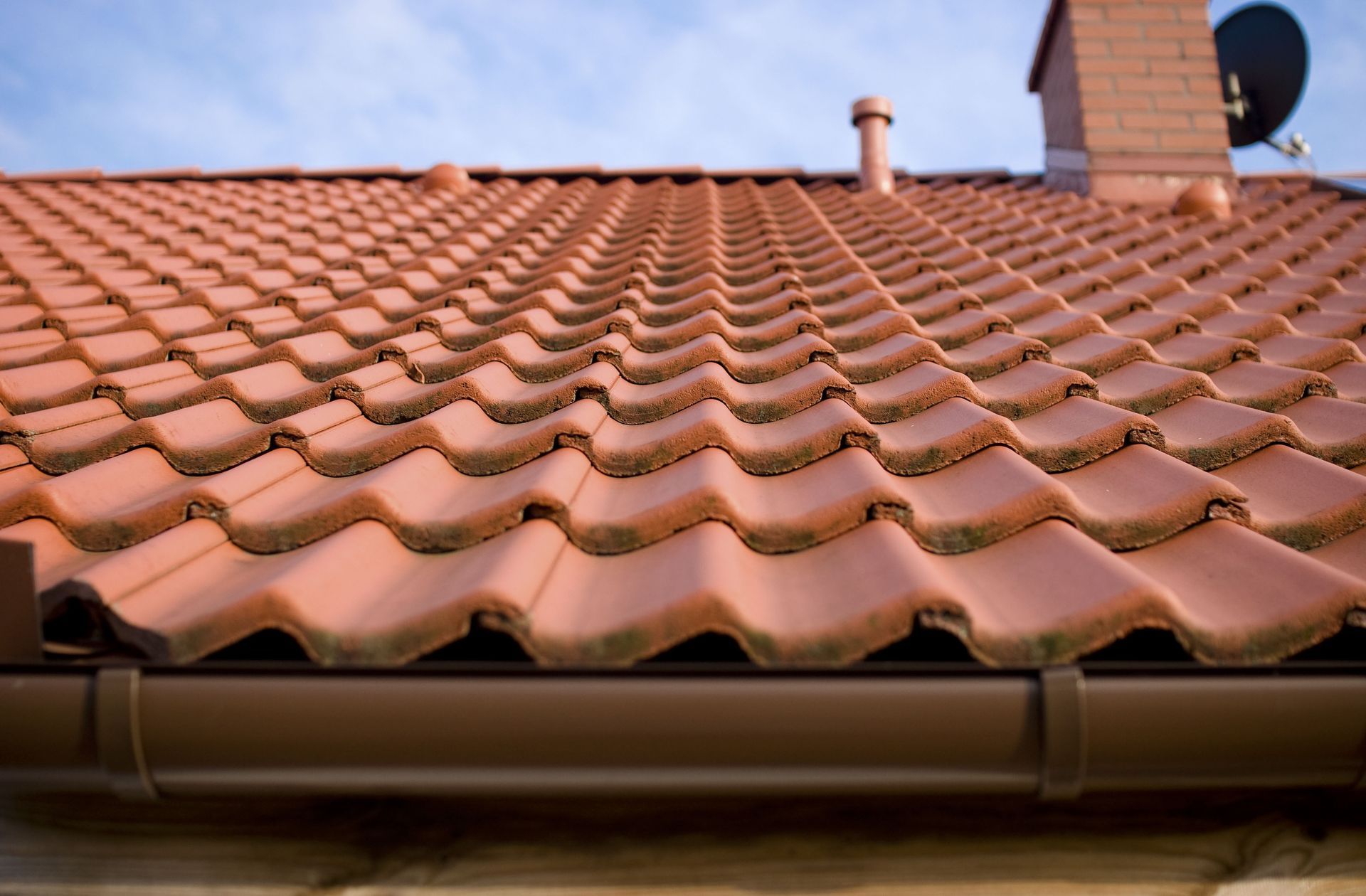
Clay tile roofing has a storied past, with origins tracing back to ancient Greece and Rome. These civilizations utilized clay tiles for their durability, fire resistance, and aesthetic appeal. Over time, the manufacturing of clay tiles evolved, introducing new shapes, finishes, and installation techniques. Despite technological advancements, clay tile roofing maintains its classic charm and continues to be a favored option for homeowners worldwide. Its historical significance adds a layer of prestige, appealing to those seeking a roof with both character and functionality.
The enduring popularity of clay tiles is not just about tradition; it also reflects practical advantages. The combination of longevity, natural insulation, and fire resistance makes clay tiles an investment that offers both beauty and protection. Homeowners choosing this roofing material often do so with the understanding that the roof will remain a standout feature of their home for decades, if not a century.
Examine Types and Styles
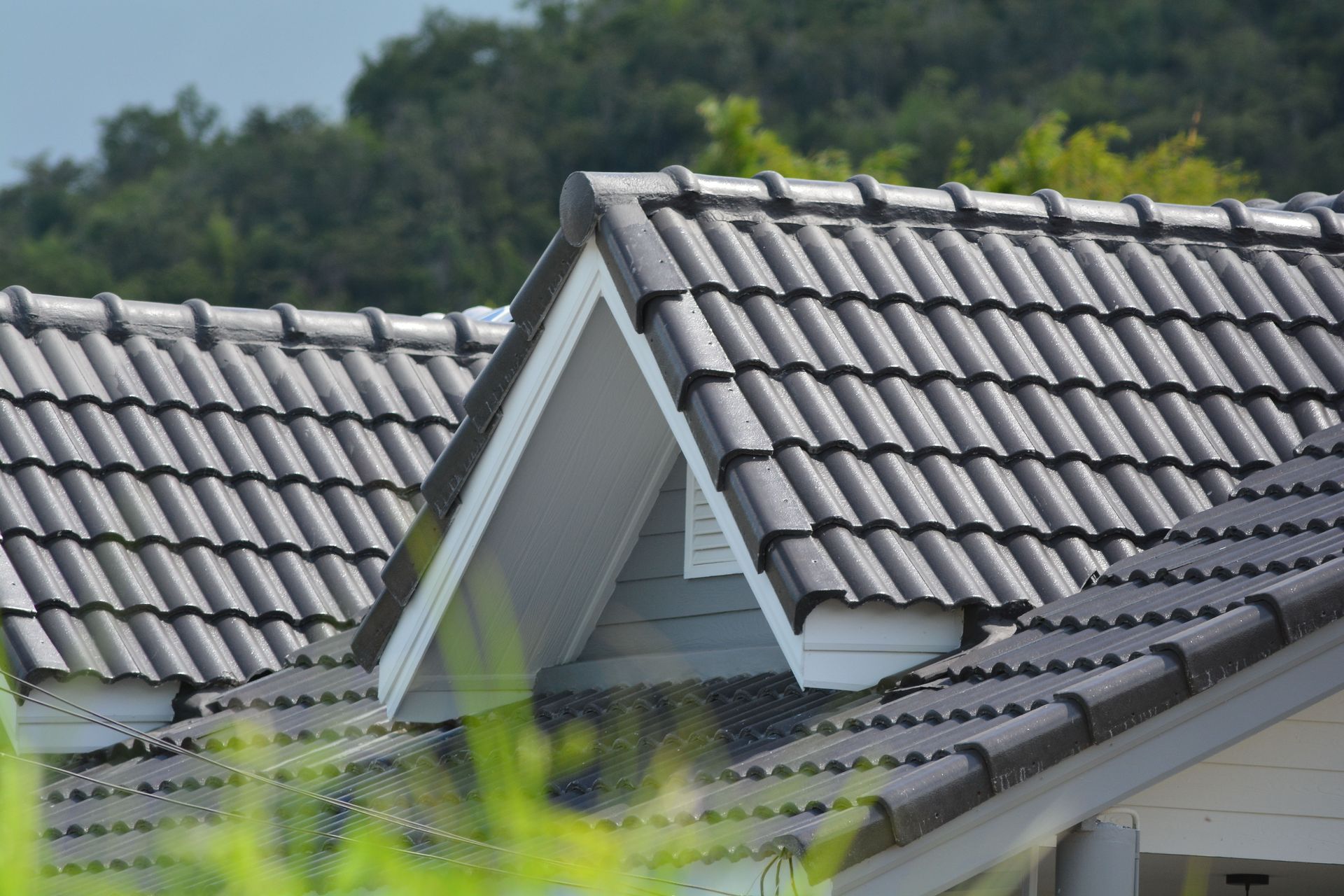
There are several types of clay tiles, each providing distinct visual and functional benefits. Flat tiles offer a modern, streamlined look, while mission and Spanish tiles lend a more traditional, ornate appearance. The selection of tile type should harmonize with the home’s architectural style and the homeowner’s aesthetic preferences. Certain tile styles, such as interlocking designs, also offer improved waterproofing, adding a practical advantage beyond appearance.
Understand the Manufacturing Process
Clay tiles are produced by shaping natural clay and firing it at high temperatures, creating a hard, durable material. Some tiles are glazed to enhance color options and improve water resistance. Modern production methods maintain traditional qualities while improving consistency and durability. This careful process ensures that tiles can withstand decades of exposure to sun, rain, and wind without losing their aesthetic or structural integrity.
The production techniques also contribute to longevity. Tiles maintain their color and shape over time, resisting wear and minimizing the need for frequent replacements. The result is a roofing material that combines timeless beauty with long-lasting performance, a combination that few alternatives can match.
Evaluate Long-Term Advantages
Durability is perhaps the most compelling benefit. With proper maintenance, clay tiles can last over 100 years, offering homeowners a long-term investment that outperforms most other materials. Their resistance to fire, wind, and water further reinforces their value. According to This Old House, not all roofing structures can support the heavy weight of clay tiles, which range between 700 and 1,000 pounds per roofing square. Ensuring the roof structure can handle this weight is essential to fully benefit from the material’s durability.
Energy efficiency is another advantage. Clay tiles naturally insulate the home, keeping interiors cooler in summer and warmer in winter. The design promotes air circulation beneath the tiles, enhancing cooling effects. Over time, energy savings from reduced heating and cooling demands can offset part of the upfront installation cost, making clay tiles both practical and eco-friendly.
Aesthetically, clay tiles offer a distinctive appeal that enhances any home’s exterior. With multiple colors and styles, tiles complement a variety of architectural designs, from Mediterranean-inspired homes to contemporary estates. This visual versatility, combined with durability and energy efficiency, makes this material highly desirable.
Fire resistance is a key benefit. Tiles are non-combustible and often rated Class A for fire protection, offering peace of mind for homeowners in wildfire-prone regions. Some insurance providers may even offer reduced premiums for homes with fire-resistant roofing.
Consider Installation Costs and Value
Initial installation costs for clay tile roofing are higher than alternatives like asphalt shingles due to the weight of the material and the need for skilled labor. Reinforcing the roof structure may also be necessary. Despite the upfront costs, this roofing option is a long-term investment, offering decades of durability and minimal maintenance expenses.
Maintenance costs are generally low. Routine inspections and minor cleaning are usually sufficient to maintain functionality. Prompt attention to damaged or missing tiles prevents larger problems, contributing to cost-effectiveness. Over the long term, the durability and low maintenance requirements make clay tiles an economical choice.
When compared with other materials, clay tiles offer long-term value. Asphalt roofs may require replacement every 15–30 years, while clay tiles can last over a century. Metal roofs provide durability but may lack the aesthetic and insulating benefits of clay. Considering longevity, energy savings, and maintenance costs positions clay tiles are a financially sound investment.
Plan and Execute Installation Properly
Installingclay tile roofing requires careful preparation, beginning with an assessment of the existing roof structure to ensure it can support the weight of the tiles. Reinforcements may be necessary for older homes or structures not originally designed for heavy materials. Planning also includes selecting the appropriate tile type, color, and style to match both functional requirements and aesthetic goals.
Choosing an experienced contractor is crucial. Skilled professionals understand the nuances of tile installation, including proper fastening, ventilation, and alignment techniques. Reviewing previous work and obtaining references ensures homeowners hire a contractor capable of delivering a high-quality, long-lasting roof.
The installation itself involves laying tiles in overlapping patterns to provide water resistance and secure attachment. Corrosion-resistant fasteners and precise cuts around roof features such as chimneys and vents are essential for optimal performance. Proper ventilation is also critical, enhancing energy efficiency and prolonging the roof’s lifespan.
Timeframes vary based on roof size, complexity, and weather conditions. Typically, installation can take several days to a few weeks. Planning for potential delays and scheduling work during favorable weather ensures a smooth process. Experienced contractors anticipate challenges like structural limitations or material availability and provide solutions to keep the project on track.
Assess Climate and Weather Impact
Clay tile roofing performs well in diverse climates, from hot, dry regions to areas with significant rainfall. Heat-reflective properties keep homes cooler in summer, while water-resistant tiles prevent moisture damage in wet environments. In freeze-thaw regions, occasional reinforcement and regular inspection help prevent cracking. The versatility of tiles makes them suitable for many geographic locations.
Wind and storm resistance are also notable benefits. The weight of the tiles helps anchor them, while proper installation techniques maximize resistance to hurricanes or severe storms. In hot climates, insulation and air circulation properties enhance comfort, while in cold regions, dense tiles withstand snow and ice loads. Additionally, tiles resist moisture absorption, maintaining integrity in humid conditions and reducing the risk of mold or rot.
Maintain and Care Consistently
Regular cleaning preserves both the appearance and functionality of clay tile roofing. Dirt, debris, and organic growth like moss should be gently removed using soft brushes or low-pressure washers to avoid damaging tiles. Proactive maintenance prevents long-term issues and enhances the roof’s aesthetic appeal.
Inspections are equally important. Identifying and repairing cracks, chips, or missing tiles promptly prevents larger problems. Preventative measures, such as clearing debris from gutters and applying moss inhibitors, extend the roof’s lifespan. Homeowners should schedule professional inspections every three to five years to ensure structural integrity and address emerging concerns, maintaining optimal performance over time.
If you’re ready to explore clay tile roofing as an option, contact us at Your Neighborhood Roofer today. We will design and install a roof that will protect and beautify your home for decades to come.