February 4, 2026
Understanding the challenges and potential pitfalls of getting a new roof is crucial for homeowners who want lasting protection and strong curb appeal. This guide walks you through the most common mistakes to avoid so your project stays on track from start to finish. According to RubyHome, an estimated 5 million roofs are installed each year, yet many of those projects still run into preventable problems tied to rushed decisions, poor planning, or hiring the wrong professionals. When homeowners slow down, gather the right information, and evaluate their options carefully, they are far more likely to avoid unnecessary costs and delays while working with experienced roofing companies that understand local conditions and building requirements.
1. Evaluate Roofing Materials Thoroughly
Choosing the right roofing material sets the foundation for the entire project. Homeowners are often drawn to popular options such as asphalt shingles, metal panels, tile, or wood shakes, but each comes with distinct benefits and limitations. Asphalt remains attractive for affordability and availability, while metal is praised for longevity and energy performance, though it can require a higher upfront investment. Taking time to compare lifespan, warranty coverage, and maintenance demands ensures the final choice aligns with both budget and long-term goals.
Climate plays a major role in determining what will work best for your home. Regions with heavy snowfall may benefit from slick metal surfaces that shed ice more easily, while hotter areas often rely on tile or reflective systems that help regulate indoor temperatures. Wind resistance, moisture control, and insulation value should also factor into the decision, especially in storm-prone areas. Ignoring these environmental considerations can shorten the roof’s life and drive up repair costs down the road.
Energy efficiency and sustainability have also become key priorities for many homeowners. Cool-roof technologies, radiant barriers, and upgraded underlayments can reduce heat transfer and lower monthly utility bills. Over time, these improvements often offset higher installation costs while boosting resale value. Making informed choices at this stage prevents disappointment later and helps homeowners confidently partner with roofing companies that specialize in durable, energy-smart solutions.
2. Schedule Professional Inspections Early
A professional inspection before replacing a roof is one of the smartest investments homeowners can make. Trained specialists can uncover hidden moisture damage, sagging decking, compromised flashing, or ventilation problems that might otherwise go unnoticed. Addressing these issues upfront prevents surprise expenses once work begins and reduces the risk of premature failure after installation.
Inspectors also evaluate the structural health of the entire system, from rafters and trusses to insulation and drainage paths. Their findings provide a clearer picture of whether repairs are sufficient or if full replacement is truly necessary. This expert input helps homeowners develop accurate budgets, realistic timelines, and expectations about what the project will involve. It also ensures the finished roof meets safety standards and local codes.
Detailed inspection reports give homeowners leverage when requesting bids and reviewing proposals. Clear documentation allows for apples-to-apples comparisons and minimizes confusion about what is included in each estimate. With millions of roofs installed every year, this step separates rushed projects from well-planned ones and helps homeowners work productively with roofing companies that value transparency and long-term performance.
3. Research Contractors Carefully
Hiring the right professionals is just as important as choosing the right materials. Homeowners should verify licensing, insurance, and certifications before signing any agreement, as these credentials protect against liability and confirm the contractor meets industry standards. Skipping this research can result in poor workmanship, disputes, or costly repairs later.
Customer reviews and testimonials provide valuable insight into reliability, craftsmanship, and responsiveness. Local forums, social platforms, and third-party review sites often reveal how contractors handle scheduling, cleanup, and warranty issues. Speaking directly with past clients or asking to see completed projects further strengthens confidence in the final choice. A strong reputation usually signals consistent quality.
Communication style should never be overlooked. Contractors who explain processes clearly, answer questions promptly, and provide detailed written estimates are far more likely to deliver smooth projects. Gathering multiple bids helps homeowners compare pricing and scope while identifying unrealistic offers. These steps make it easier to separate dependable professionals from risky options when evaluating different roofing companies.
4. Plan Budgets And Financing Realistically
A realistic budget accounts for more than just shingles and labor. Permits, disposal fees, ventilation upgrades, and structural repairs can all influence the final cost. Homeowners who plan for these variables are less likely to face financial stress midway through construction. Building a detailed line-item budget keeps expectations grounded and decisions informed.
Financing options can also make large projects more manageable. Many lenders offer home-improvement loans or flexible payment programs designed specifically for major upgrades. Comparing interest rates, repayment terms, and qualification requirements helps homeowners select arrangements that fit their financial picture without overextending resources.
Unexpected discoveries such as rotted decking or hidden leaks are common once old materials are removed. Setting aside contingency funds ensures these surprises do not derail the project or force corners to be cut. Balancing short-term affordability with long-term durability protects the investment and helps homeowners stay confident when coordinating with roofing companies throughout the process.
5. Prioritize Long-Term Quality Over Quick Fixes
Choosing bargain materials or rushed installation methods often leads to frustration later. While inexpensive products might appear appealing at first, they frequently wear out faster and require repeated repairs. Over time, those added expenses can surpass the cost of installing higher-quality systems from the beginning.
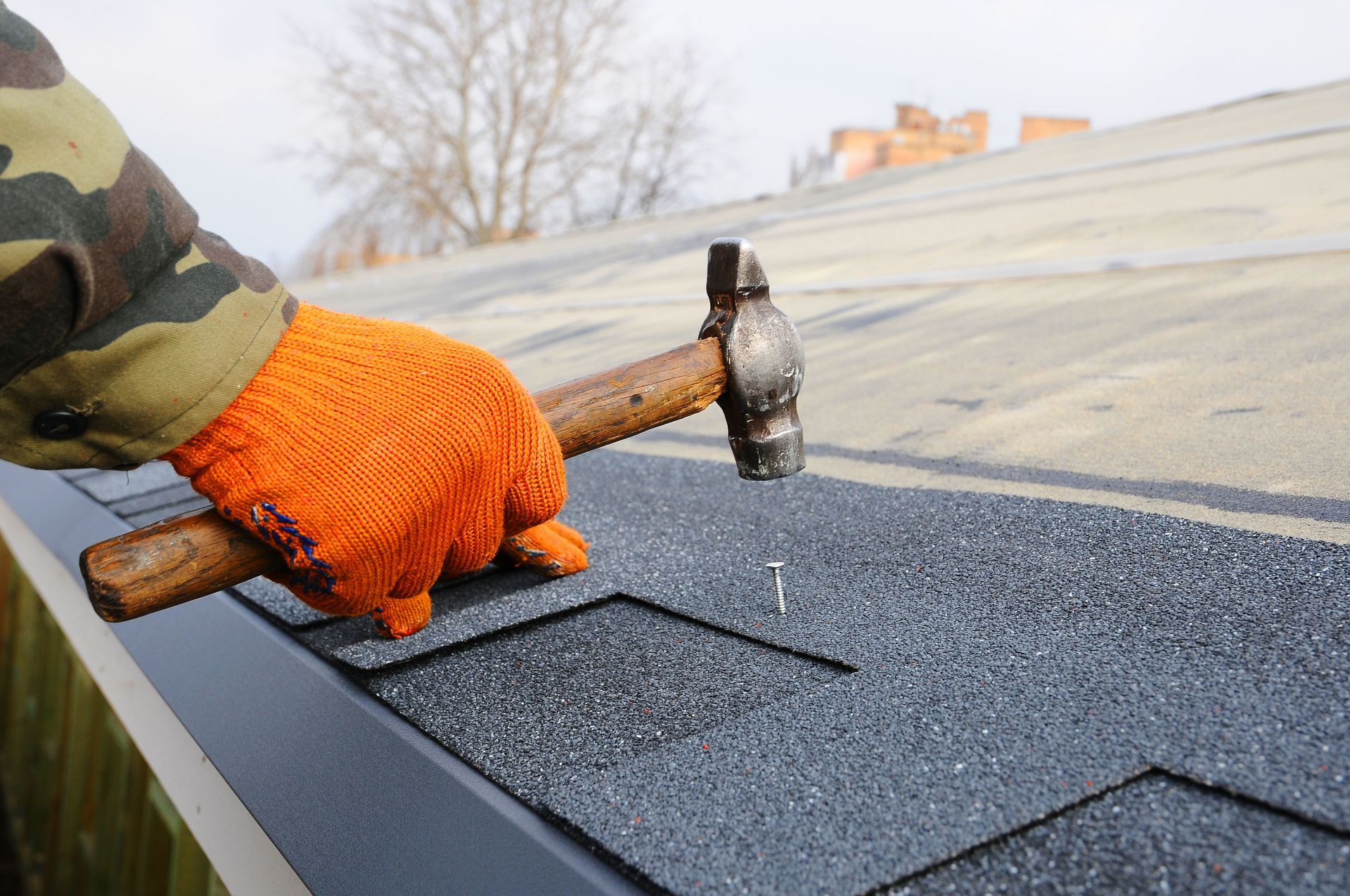
Proper installation is equally important. A carefully constructed roof improves structural integrity, resists extreme weather, and enhances energy efficiency inside the home. It can also increase property value, which matters greatly to homeowners who may sell in the future. Viewing the project as a long-term investment rather than a short-term patch makes all the difference.
Quick fixes rarely address underlying problems such as inadequate ventilation or compromised decking. Temporary patches may stop a leak today but allow moisture damage to continue unseen. Committing to quality workmanship and durable materials ensures homeowners avoid repeat issues and confidently rely on reputable roofing companies that focus on lasting solutions.
6. Follow Permit And Code Requirements
Local building regulations exist to protect homeowners and neighborhoods alike. Zoning rules and construction codes often dictate slope requirements, material types, and structural reinforcements. Failing to follow these guidelines can result in fines, forced corrections, or delays that extend project timelines and inflate costs.
Permits are not just paperwork; they verify that planned work meets safety standards and municipal expectations. Inspections tied to permits provide another layer of quality control, ensuring everything from underlayment to flashing is installed properly. Skipping this process can cause serious complications, especially if authorities halt work until compliance is restored.
Unpermitted projects may also create problems during future home sales. Buyers often request proof that renovations were approved and inspected, and missing documentation can reduce property value or stall transactions. Staying compliant keeps the project legitimate, protects long-term equity, and reinforces the importance of choosing knowledgeable
roofing companies that understand local requirements.
Avoiding these common mistakes helps homeowners secure dependable, cost-effective roofing solutions that stand up to years of wear and weather. Careful research, early inspections, thoughtful budgeting, and attention to regulations all contribute to smoother projects and better results. For Kansas City–area residents seeking professional roofing installation and repairs or specialized roofing services, Your Neighborhood Roofer is here to help. Serving the Kansas City Metro area and offering free estimates, we make it easy to plan your project with confidence—contact Your Neighborhood Roofer today to get started on a roof you can count on.