May 7, 2026
Roofs protect homes from rain, wind, snow, heat, pests, and daily temperature changes. Because they serve as one of the home’s first lines of defense, they need more than attention after a leak appears. A roof can look acceptable from the ground, while small problems develop around shingles, flashing, gutters, vents, or roof valleys. When those concerns go unnoticed, moisture can move beneath the surface and affect decking, insulation, ceilings, and interior finishes.
Working with experienced roofing contractors helps homeowners take a proactive approach to roof care. Instead of responding only when damage becomes visible, professional service focuses on inspection, prevention, repair, and planning. A roof’s lifespan depends on the quality of its materials, installation, maintenance, ventilation, drainage, and exposure to severe weather. With consistent attention, homeowners can reduce avoidable damage and help their roofing system perform reliably for as long as possible.
Inspecting Roofs Before Damage Spreads
Routine inspections are one of the most valuable ways to extend a roof’s lifespan. Many roofing problems begin as minor concerns, such as a lifted shingle, cracked sealant, loose flashing, or backed-up gutter. These issues may not seem urgent at first, but they can create openings for water, pests, and debris. Once moisture reaches hidden materials, the repair process can become more complicated.
During an inspection, roofing contractors are trained to evaluate the entire system instead of focusing only on obvious surface damage. They may review shingles, flashing, roof penetrations, valleys, gutters, fascia, soffits, and attic ventilation. This type of review helps identify whether the roof is wearing normally or showing signs of premature failure.
Early inspections also give homeowners time to make practical decisions. A small repair made at the right time may prevent more expensive structural or interior damage later. Regular evaluations are especially helpful after storms, heavy snow, high winds, or long periods of intense heat.
Maintaining Materials Through Seasonal Wear
Every roofing material changes over time. Asphalt shingles can lose granules, dry out, curl, or crack. Metal roofs may need attention around seams, fasteners, or coatings. Tile and slate can break under impact, while flat roofing systems may develop drainage or membrane concerns. Seasonal exposure makes this wear unavoidable, but consistent care can slow its progress.
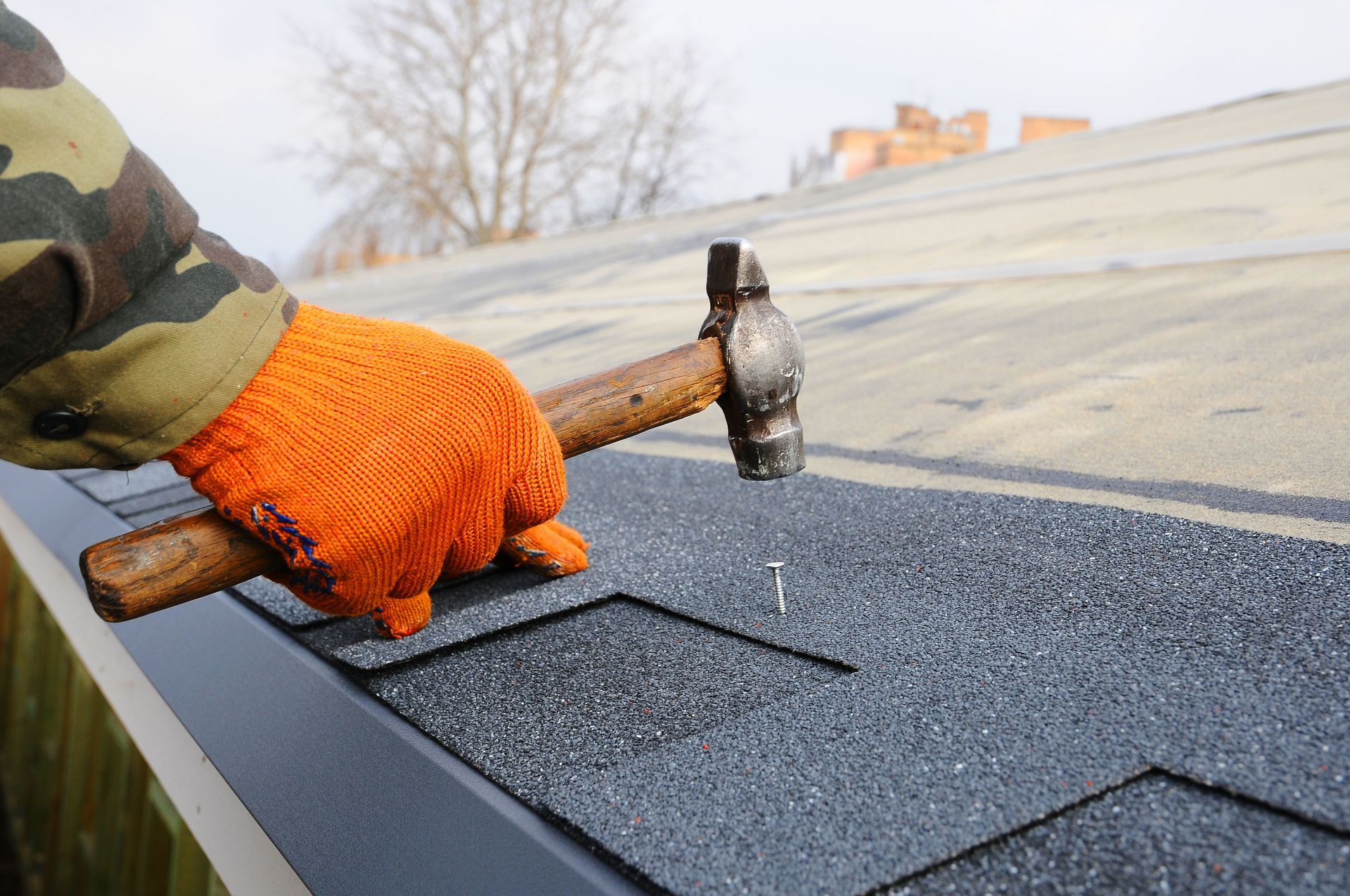
For this reason, roofing contractors help homeowners maintain materials based on the specific roof type and condition. For shingle roofs, this may include replacing damaged shingles, securing vulnerable areas, sealing small gaps, or checking nail placement. For other roof systems, maintenance may involve reviewing seams, coatings, flashing, and drainage paths.
As roofs age, maintenance becomes even more important. According to Nationwide, older roofs, especially those nearing their expected lifespan, such as 20 to 25 years for asphalt shingles, may require more frequent inspections. This guidance shows why homeowners should not wait for visible leaks before
scheduling service.
Improving Drainage and Moisture Control
Water is one of the most damaging forces a roof faces. A roofing system is designed to move rain, melting snow, and runoff away from vulnerable areas. When drainage is blocked or poorly directed, water can collect in valleys, overflow behind gutters, or sit near flashing. Over time, these conditions may weaken roofing materials and nearby structural components.
To reduce these risks, roofing contractors can assess how well gutters, downspouts, slopes, valleys, and flashing work together. They may find leaves, branches, shingle granules, or other debris preventing water from flowing properly.
Moisture control also includes attic ventilation and insulation. Poor airflow can trap heat and humidity beneath the roof deck, creating conditions that contribute to mold, wood rot, and premature material aging. When drainage and ventilation are improved, the roof has a better chance of resisting long-term moisture damage.
Repairing Problems With Proper Methods
Roof repairs require more than covering a visible leak. Water often enters at one point and travels along decking, rafters, or insulation before appearing indoors. A ceiling stain may not be directly below the actual roof opening. Because of this, quick patches can hide symptoms while the underlying problem continues.
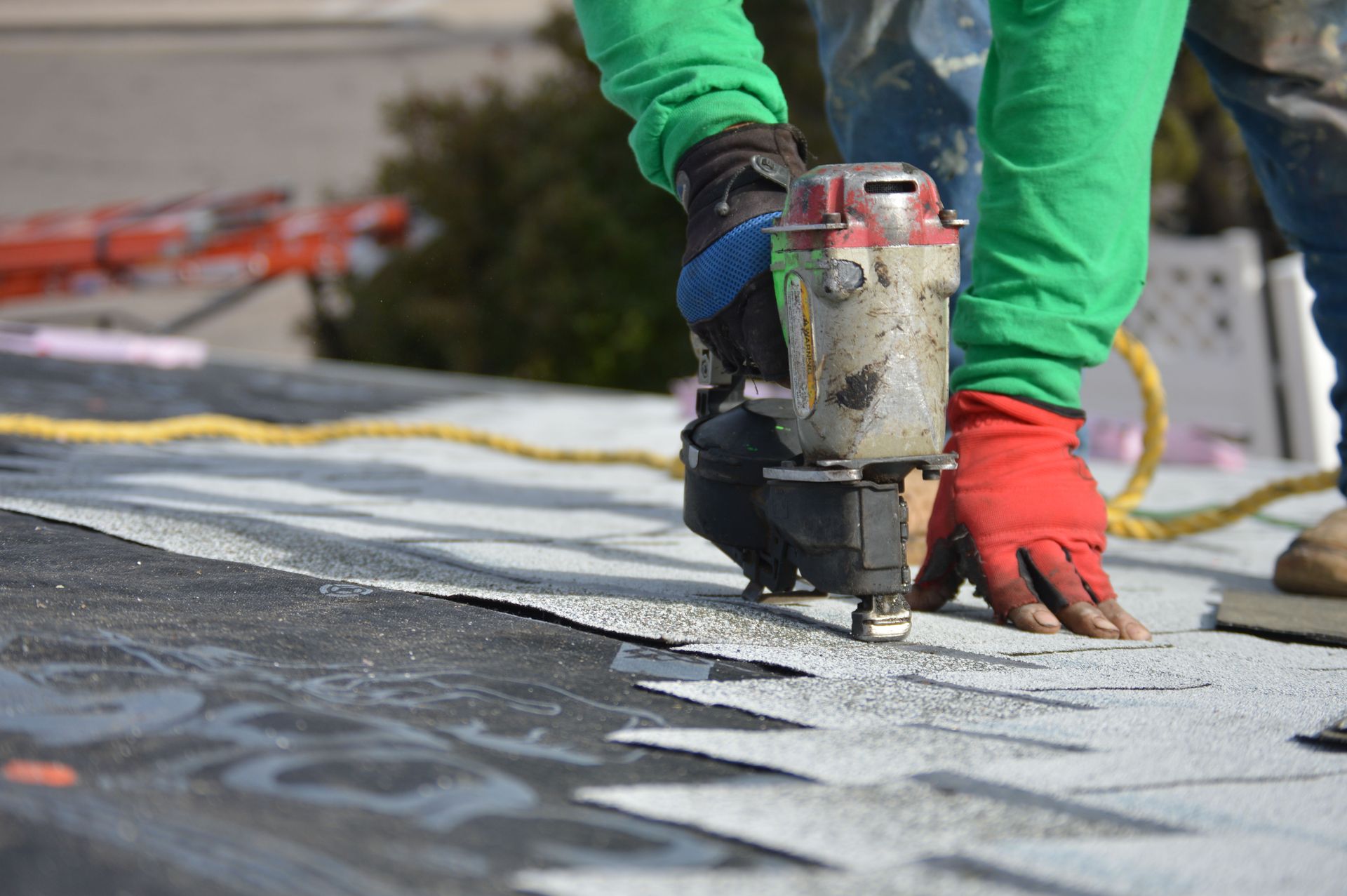
When leaks or storm damage appear, roofing contractors use professional repair methods to find the source of the issue and restore the roof’s protective layers. They know how to evaluate surrounding materials, replace compromised components, and seal vulnerable areas correctly. Proper repair work may include addressing shingles, flashing, underlayment, fasteners, pipe boots, or damaged decking.
The quality of the repair matters because poor workmanship can shorten a roof’s lifespan. Incorrect nail placement, mismatched materials, excess sealant, or incomplete flashing repairs may fail during the next storm. When the repair is completed with the right materials and techniques, the roof remains better protected against future damage.
Supporting Ventilation and Energy Performance
A roof’s lifespan is closely connected to attic conditions. Heat and moisture trapped beneath the roof can damage materials from the inside out. In summer, excessive attic heat may raise roof temperatures and accelerate shingle aging. In colder weather, poor ventilation can contribute to condensation, frost, and moisture buildup.
To protect the system, roofing contractors can review whether the attic has balanced intake and exhaust ventilation. This may involve checking soffit vents, ridge vents, gable vents, attic insulation, and airflow restrictions. If the attic is not properly ventilated, the roof may experience additional stress even if the exterior appears sound.
Improved ventilation can also support better home comfort and energy performance. When attic heat and humidity are controlled, heating and cooling systems may operate more efficiently. While ventilation improvements may not be as noticeable as exterior repairs, they play an important role in protecting the entire roofing system.
Planning Replacement at the Right Time
Extending a roof’s lifespan does not mean avoiding replacement forever. Instead, good roof care helps homeowners get the best performance from the current system while preparing for future needs. Eventually, every roofing material reaches the point where repairs are no longer the most practical choice.
During this stage, roofing contractors can help homeowners distinguish between isolated damage and widespread failure. A few missing shingles may call for a simple repair, while recurring leaks, sagging areas, soft decking, heavy granule loss, or widespread curling may point toward replacement. A professional assessment can help prevent both premature replacement and delayed action.
Planning also gives homeowners more control. Instead of rushing after a major leak, they can compare material options, consider timing, review budgets, and schedule work before the damage becomes urgent.
Preserving Home Value Through Ongoing Care
A well-maintained roof supports the value, safety, and appearance of the entire home. It protects the structure from water intrusion, helps preserve interior comfort, and contributes to curb appeal.
Over time, roofing contractors also provide helpful documentation. Inspection reports, repair records, maintenance notes, and replacement recommendations can help homeowners track the roof’s condition. These records may be useful for insurance claims, real estate transactions, warranty questions, or long-term home planning.
Professional roof care gives homeowners confidence because they do not have to guess whether a problem is minor or serious. With regular inspections, timely repairs, proper ventilation, and thoughtful replacement planning, a roofing system can remain more durable through years of changing weather. By working with qualified roofing contractors, homeowners can protect one of the most important parts of their property and reduce the risk of preventable roof damage. Call Your Neighborhood Roofer today to schedule your roofing service.